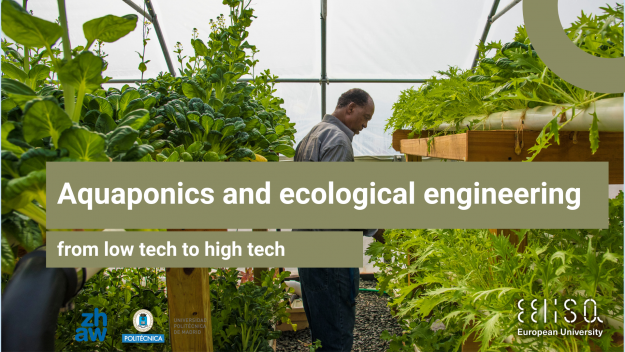
Aquaponics and ecological engineering: from low tech to high tech

Aquaponics, the simultaneous culture of fish (aquaculture) and plants without soil (hydroponics), has been proposed as one of the 10 technologies which could change our lives, by the Scientific Foresight Unit (STOA) of the European Parliament. It has proven to be quite sustainable and can be considered as an example of ecological engineering, with mutual benefits…

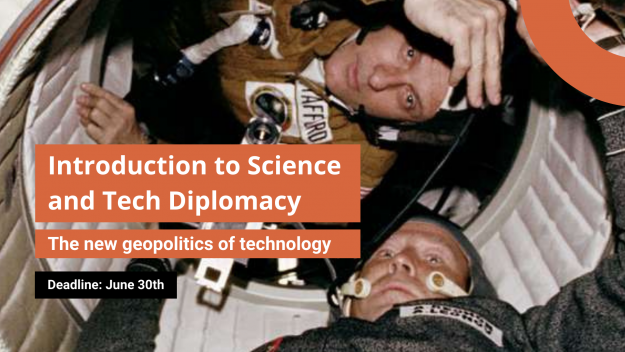
Calling all aspiring diplomats and tech enthusiasts!

How can the next generation of scientists and engineers to address geopolitical challenges? There is an increasing demand for experts in a particular technology domain, who are also able to understand and manage the challenges of science and new technologies while reflecting and reviewing their impact on European values. Vice versa, engineers and scientists need…

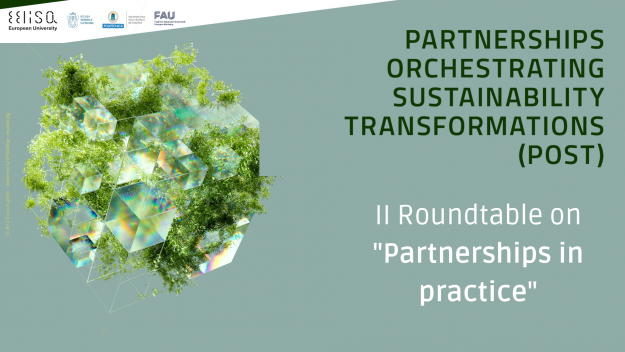
II POST Roundtable: Partnerhsips in practice

Tackling sustainability challenges at an international level can not be achieved without the cooperation of a series of stakeholders. During the first POST roundtable in Florence, a number of theoretical perspectives were discussed. It was a first exchange among members to share their understanding on partnerships in different contexts, key foundational elements, key success factors…

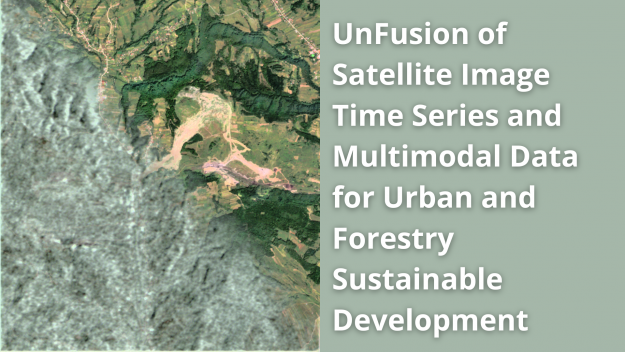
EELISA Workshop: UnFusion of Satellite Image Time Series and Multimodal Data for Urban and Forestry Sustainable Development

Satellite Image Time Series (SITS) contain valuable information on the Earth’s surface evolution over time. Various applications can be derived from SITS analysis, e.g. land cover and land use change, urban growth, surveillance, resource management and so on. Considering the technological development of Earth Observation sensors, and the increase in data variability and volume, the…

Roundtable: “Partnerships for sustainable development: searching for theoretical and methodological perspectives”

Sustainability challenges in international development are complex, multilevel and transboundary in nature. Tackling them effectively requires the involvement and cooperation of a series of stakeholders – including government bodies, international organisations, private companies, civil society organisations, academia and local communities. The scope of this challenge is condensed in Sustainable Development Goal 17, “Partnerships for the…