
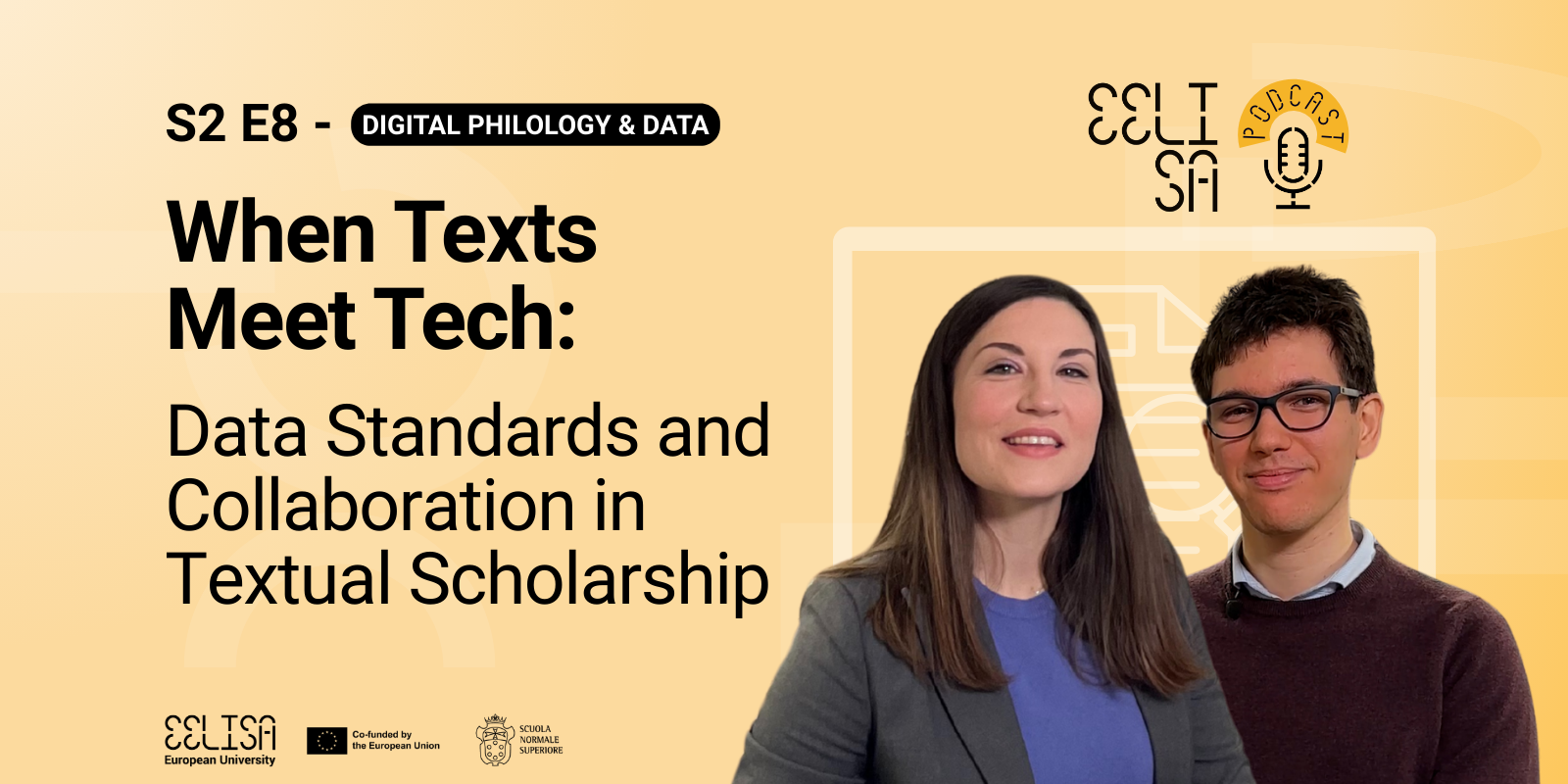
What happens when centuries-old words meet the languages of data and technology? In an ever-changing digital world, archives and scholarly texts can be transformed into structured datasets, making knowledge more accessible and interconnected. At the centre of this lies the discipline of digital philology, where computational tools such as semantic annotation and AI enhance textual criticism and enable large-scale analysis and digital scholarly editions.
In its eighth episode, Valentina Nieri, researcher in Italian Philology, and Camillo Carlo Pellizzari di San Girolamo, PhD student in Classics,explorehow digital standards, linked open data, and collaborative platforms are reshaping textual scholarship.
Texts as Data: Metadata, Authority Files, and Copyright in the Digital Age
For some texts, it was literally impossible to determine whether the edition was still under copyright. And you’re left deciding between delaying the digitisation of that text or adopting an “opt-out” strategy, publishing and taking a text down only if someone raises a claim.
Beyond Tools: Is Digital Philology a Transformation or a Phase?
Through Digital Philology, scholars can gain a clearer and more structured view of information in a digital environment. It can accelerate established research methods and open up new forms of analysis. But can it be considered more than just a tool? Even with its implementation, traditional skills remain essential. Critical judgement, historical knowledge, and strong linguistic competence are still necessary to interpret texts meaningfully. As Camillo highlights:
This isn’t just about tools becoming more fashionable. What’s really new is the shared infrastructure: standards, open data, and collaborative platforms. These don’t disappear when a tool becomes obsolete. Once texts are structured and connected, they can be reused in ways we can’t fully predict yet. So digital philology isn’t a passing phase, it’s more like a change in the conditions under which philology happens, much like the shift from manuscripts to print was in the past.
Thus, it can be concluded that Digital Philology is not a passing technological phase, but a structural transformation in the practice of scholarship.
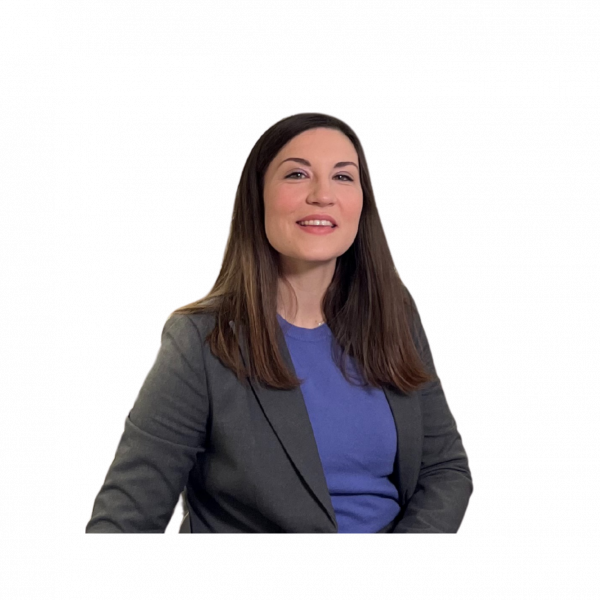
Valentina Nieri
She is a researcher in Italian Philology at the Scuola Normale Superiore, where she earned her PhD in 2018 with a dissertation on the Tuscan vernacular translations of Palladius’ Opus agriculturae. She has previously held research positions at the Università di Siena and at the Scuola Normale Superiore, contributing to national projects focused on the renewal and interoperability of the Opera del Vocabolario Italiano corpus.
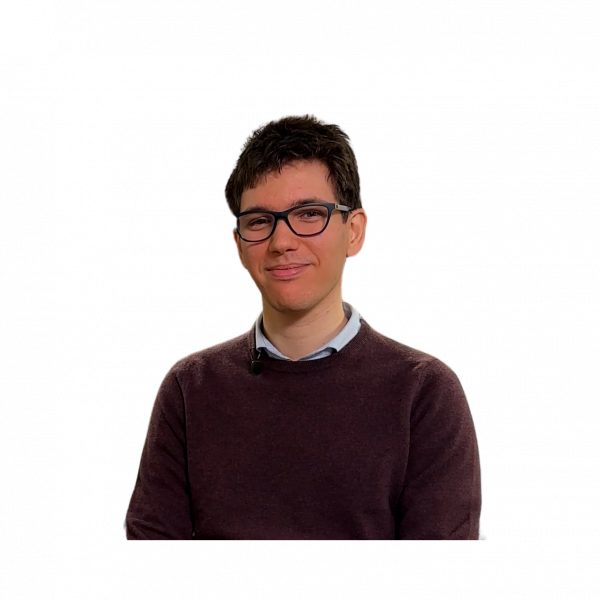
Camillo Carlo Pellizzari Di San Girolamo
He graduated in Classics at the Università di Pisa (BA 2020, MA 2022). He was an undergraduate student in the Class of Humanities at the Scuola Normale Superiore from 2017 to 2022 and has been a PhD student in Classics at the same institution since 2022. His research interests center on Greek rhetoric of the imperial age, with particular emphasis on declamatory literature. He also works in library and information science, particularly in authority control and the use of Wikidata for cataloging and metadata management.