
What does it mean for years of dedicated research to culminate in a truly remarkable discovery? This is precisely the origin of this initiative, an extraordinary archival finding at the École nationale des ponts et chaussées (ENPC) : the Fradet archive, an unpublished collection of documents on railway construction in nineteenth-century Ottoman Europe.
This discovery led to the creation of “Reconnecting Europe by Rail: How an Ottoman Railway Archive Became an EELISA Classroom Without Borders,” an initiative that transforms these materials into a shared, transnational learning environment. In this interview conducted by ENPC’s EELISA Communication Representative, Habiba Touil, we explore the insights of the researchers behind this initiative.
Q. This story begins with an archive box. How did that moment turn into a European collaboration?
A. Guillaume Saquet
It began with the Fradet archive, twenty boxes of documents donated to ENPC in 2002. They belonged to Octave Fradet, a French railway engineer who worked extensively in Ottoman Europe during the 1870s and 1880s.
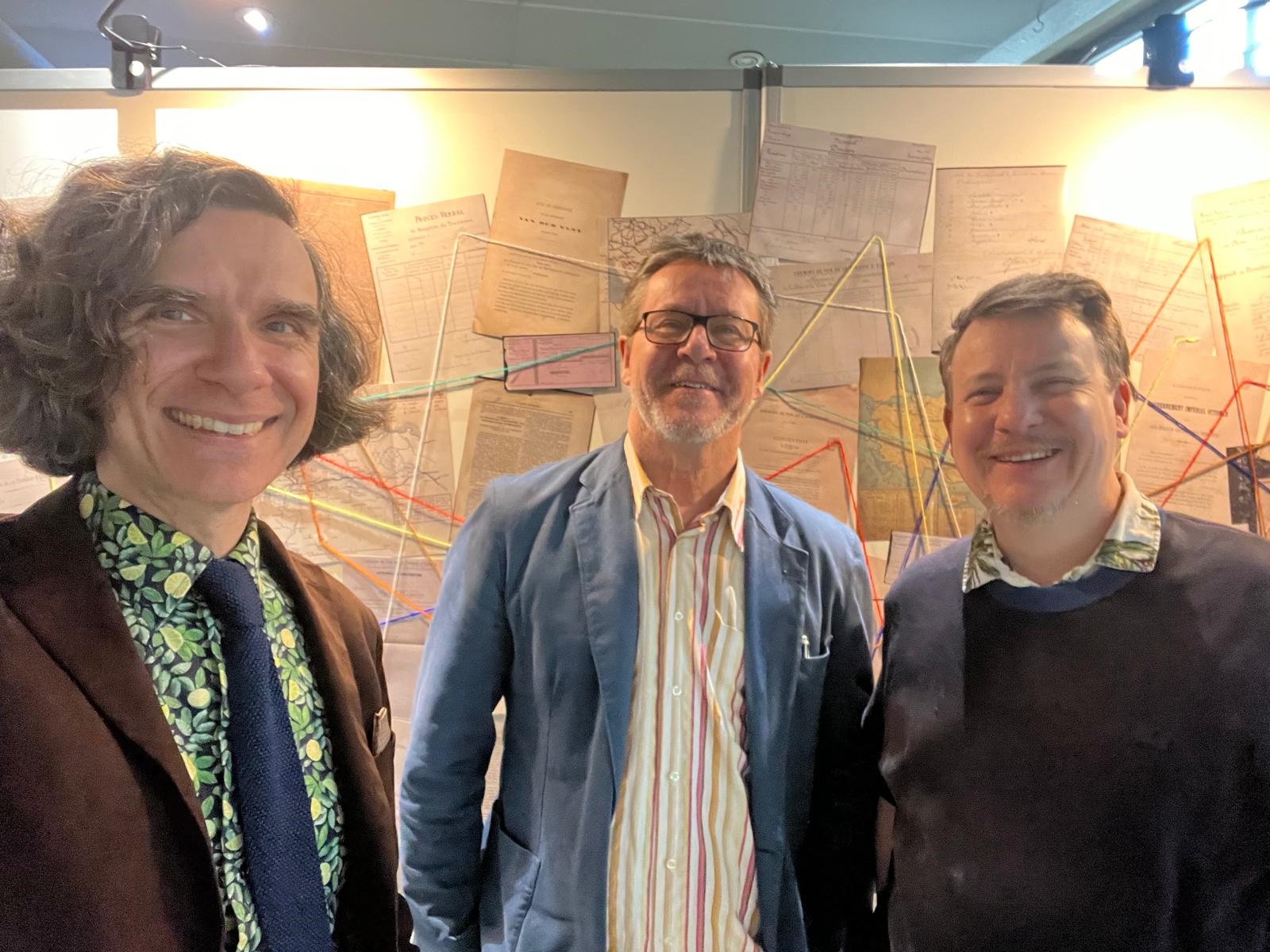
For years, the collection had not been studied in depth. When we started inventorying and reorganizing it, cleaning the materials, classifying them thematically and chronologically, and digitizing key documents, we realized we were looking at something exceptional, much more than just technical drawings. When we discussed this together, we saw that they were traces of a historical moment when railways were reshaping territories and identities, with maps, minutes of meetings, conventions, employment documents, reports, etc. That realization opened the door to something larger.
Q. And that “something larger” became an EELISA project?
A. Steve Brown
Exactly. The archive offered more than fascinating historical material, it offered a platform for collaboration. Through the EELISA European University alliance, we were able to transform this archival discovery into a joint teaching and research initiative entitled “Railroads and European Identity from the 19th Century to the Present.”
EELISA made it possible to connect engineering, social sciences, and humanities across institutions. It allowed us to treat the archive not as a static collection, but through digitalisation, as a shared, public, European resource.
Q. What does that look like in practice for students?
A. David Selim Sayers
At ENPC, we created a course called “Ottoman Europe: The Final Century.” Students didn’t simply read about railways, they worked directly with primary sources from the Fradet archive, creating their own subjective narratives from this interaction. Not passive consumption of history, but active production of knowledge.
Many of them come from technical backgrounds with limited prior exposure to historical research or social sciences. Suddenly, they are confronting handwritten French documents, German-language reports, Ottoman materials, with complex research questions such as what the political consequences of developing transport networks are, whether infrastructure unites or divides regions, or who the beneficiaries of technological expansion are.
Q. That sounds very much aligned with EELISA’s interdisciplinary vision.
A. Steve Brown
It is. The sort of work we’ve been doing on the Fradet archive requires collaboration acrossmany disciplines such as politics, economics, and environmental studies, sociology, operational research, and civil engineering. That interdisciplinarity is not an accessory, it is essential.
It’s linguistically and culturally rich and diverse, too. While English is the language of instruction, much of the archive is in French. Some sources are in German, others in Ottoman Turkish. Students must navigate this linguistic complexity collectively. That experience reflects the very fabric of European cooperation. Having multilingual research groups that included students and researchers from a number of institutions, and using digital humanities tools, made all of this easier.
Q. Beyond ENPC, how does the European dimension unfold?
A. David Selim Sayers
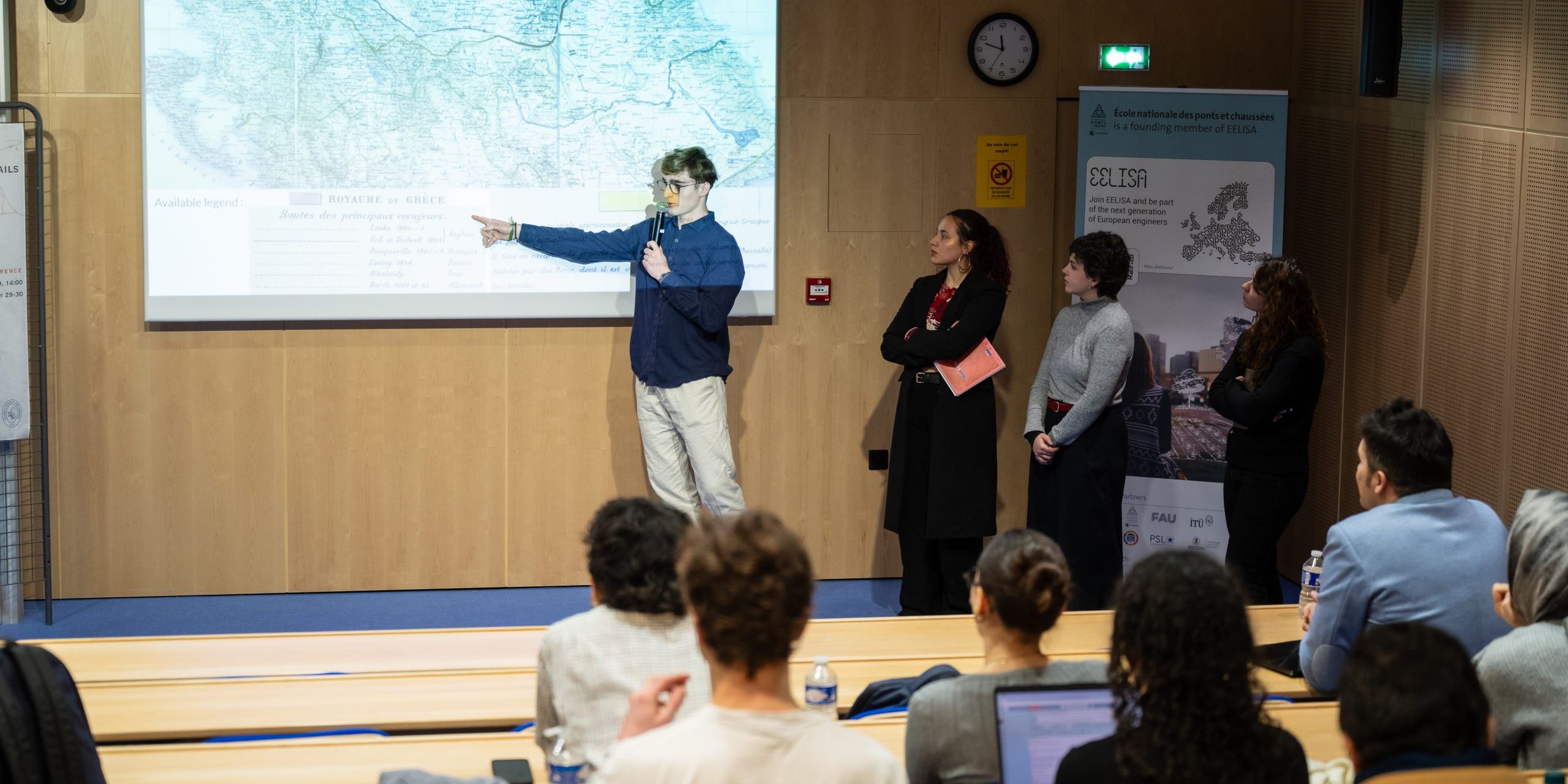
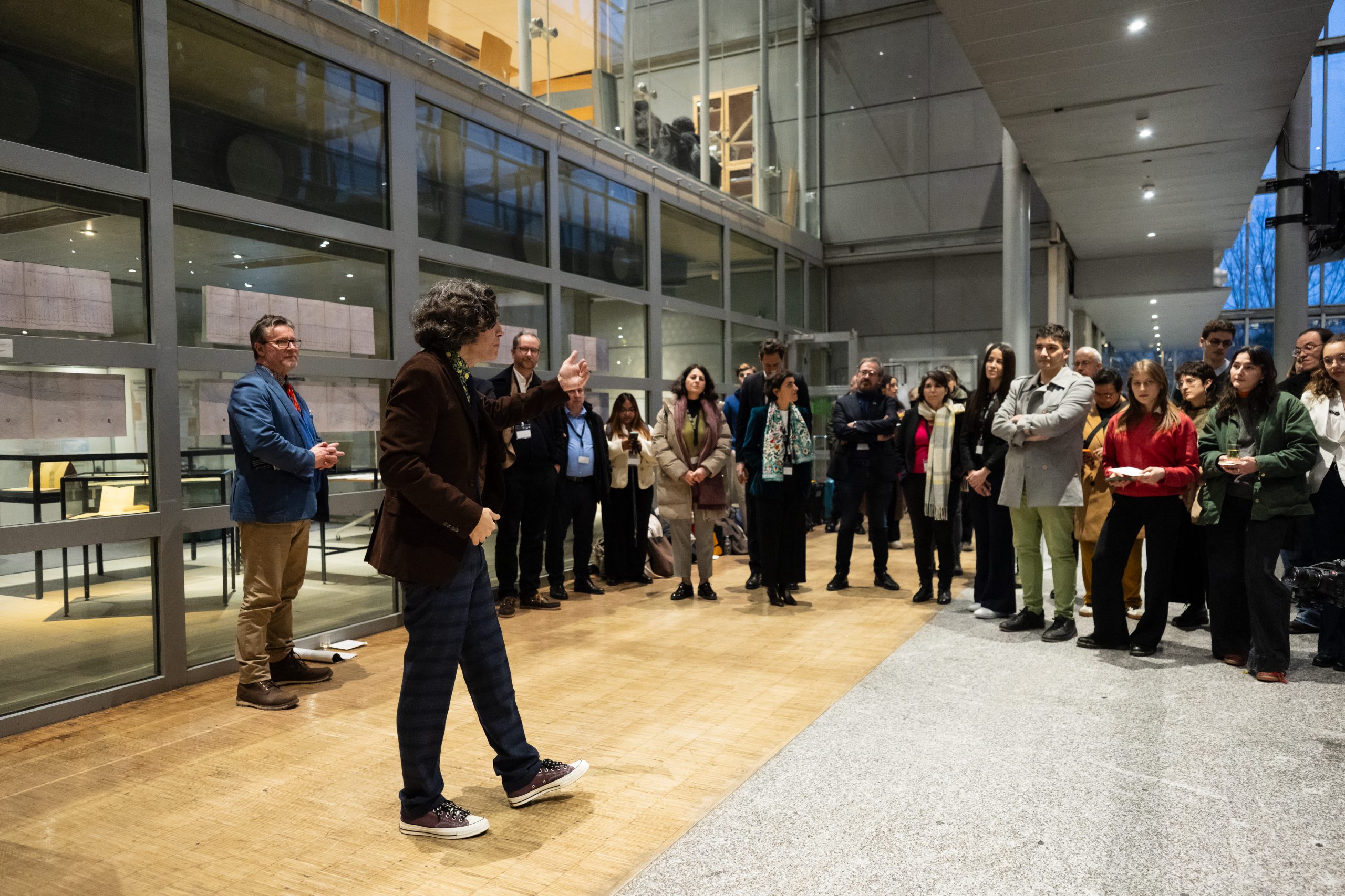
In addition to ENPC, the project involves students and colleagues from the Paris Institute for Critical Thinking (PICT), İstanbul Teknik Üniversitesi (İTÜ), and Universidad Politécnica de Madrid (UPM). Faculty and students across these institutions participated in archival research, and prepared joint presentations and posters for the conference in January 2026.
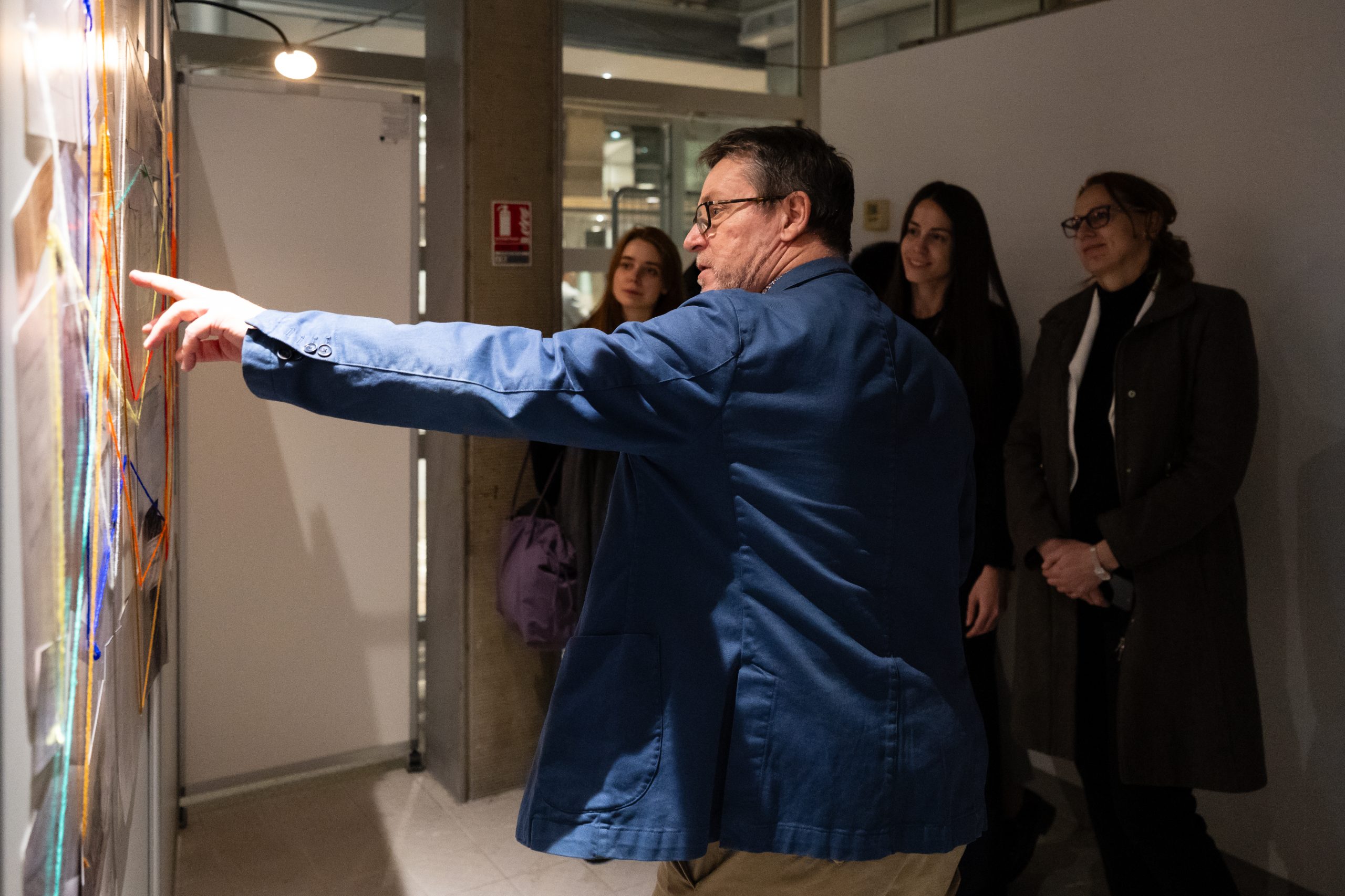
ENPC hosted this three-day event, and at the same time we curated an exhibition of significant archival materials, research posters, and a student-made documentary film about the project. In a sense, the railway routes that once linked Berlin and Paris to Istanbul are mirrored by academic collaboration today.
Q. There’s something symbolic about railways in this European context, isn’t there?
A. David Sayers
Absolutely. In 19th century Europe, railroads were transformative technologies. In Ottoman Europe’s final century, they reshaped landscapes, economies, and power relations. They could integrate territories but also reinforce hierarchies.
By revisiting those histories collaboratively through EELISA, we are reflecting on what European identity means today. Infrastructure is never neutral. It carries political and social implications. Understanding that helps students think critically about contemporary projects as well.
Q. What is the long-term ambition of the initiative?
A. Guillaume Saquet
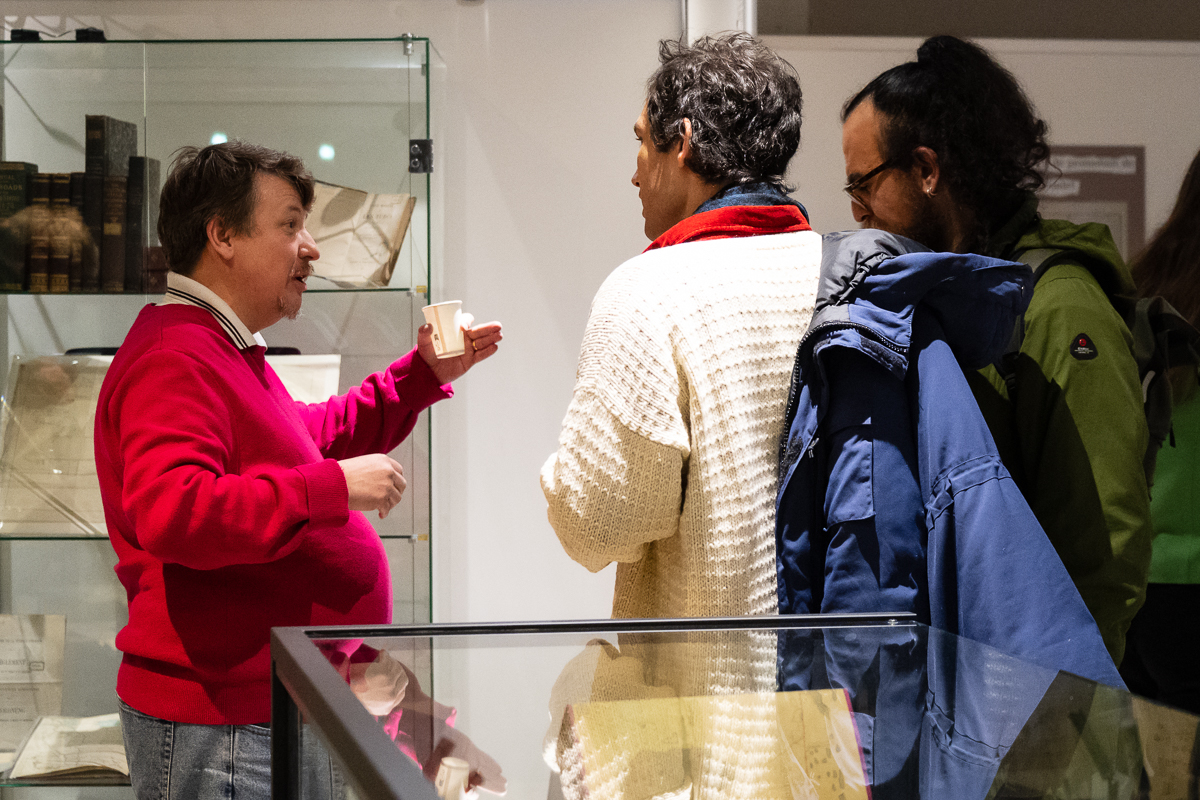
We aim to digitize the entire Fradet archive and make it globally accessible through ENPC’s Digital Heritage Library and PICT. We are also exploring connections with similar collections in cities such as Vienna, Budapest, Bucharest, Belgrade, Sofia, and Istanbul, many of which lie along historic railway corridors.
A. Steve Brown
We are developing the project along two lines: one, a project working on the use of archives for teaching purposes; and two, a research project where we bring the different primacy source archive collections into conversation with each other. This includes the universities of the EELISA network, but also civil society partners, such as museums, towns, or railway companies.
Q. If you had to summarize the project in one sentence from an EELISA perspective?
A. Steve Brown
It is about transforming a local archival discovery into a shared European intellectual journey.
A. David Sayers
And about giving students the tools to understand how infrastructure shapes identity, past and present.
A. Guillaume Saquet
In a way, we are rebuilding Europe by rail not physically, but intellectually.
Discover ENPC’s video report on the EELISA conference-exhibition “Ottoman Europe: A History of Rails”
David Sayers
He is a Senior Lecturer at the Language and Cultures Department at ENPC, specializing in Ottoman history. He obtained his B.A. from the University of Cambridge and his Ph.D. from Princeton University before teaching at institutions such as San Francisco State University, the University of Vienna, and HEC Paris. He is a co-founder and core faculty member of the Paris Institute for Critical Thinking (PICT) and has released a number of books and articles in the fields of history and literature, mostly with a focus on the Middle East, through publishers such as Penguin Classics. At ENPC, David teaches on social sciences (identity politics, nationalism, urbanization), literature (English literature in Paris, fanfiction), and the Middle East (the Ottoman Empire, gender in the Middle East). A native speaker of English, German, and Turkish, David has taught in all three languages as well as French.
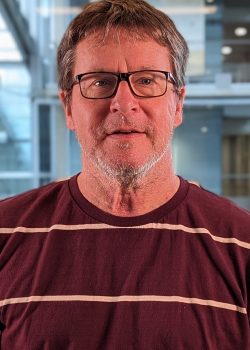
Steve Brown
He is President of the Language and Culture department at ENPC. A committed internationalist, he has been involved in various international initiatives and outreach programmes around the theme of ecodevelopment such as the Alliance for Climate Action Now at the Université Paris-Saclay, which he helped set up. Steve’s current teaching interests include mediation, biodiversity and radicality, and his current research focuses on the development of railways in the Ottoman Empire.
Guillaume Saquet
He is the Deputy Head of Heritage and Archives at the Ecole nationale des ponts et chaussées, where he has been working since 1996. Guillaume’s special interests are iconographic documents, of which Ponts has a rich and extensive collection – ENPC is one of the few institutions in France authorized to keep its own archives, which means that he is kept very busy classifying, protecting and disseminating.