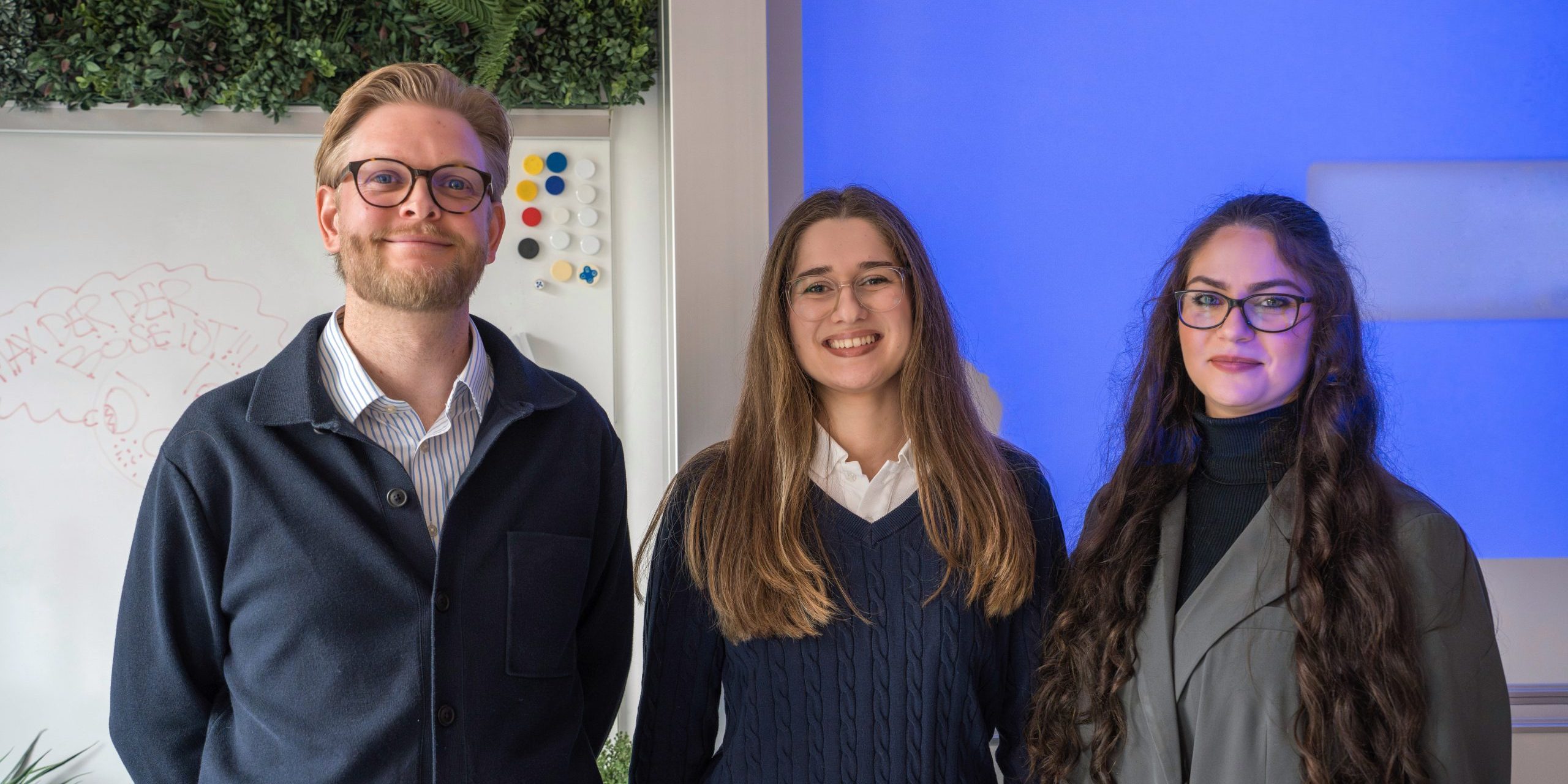
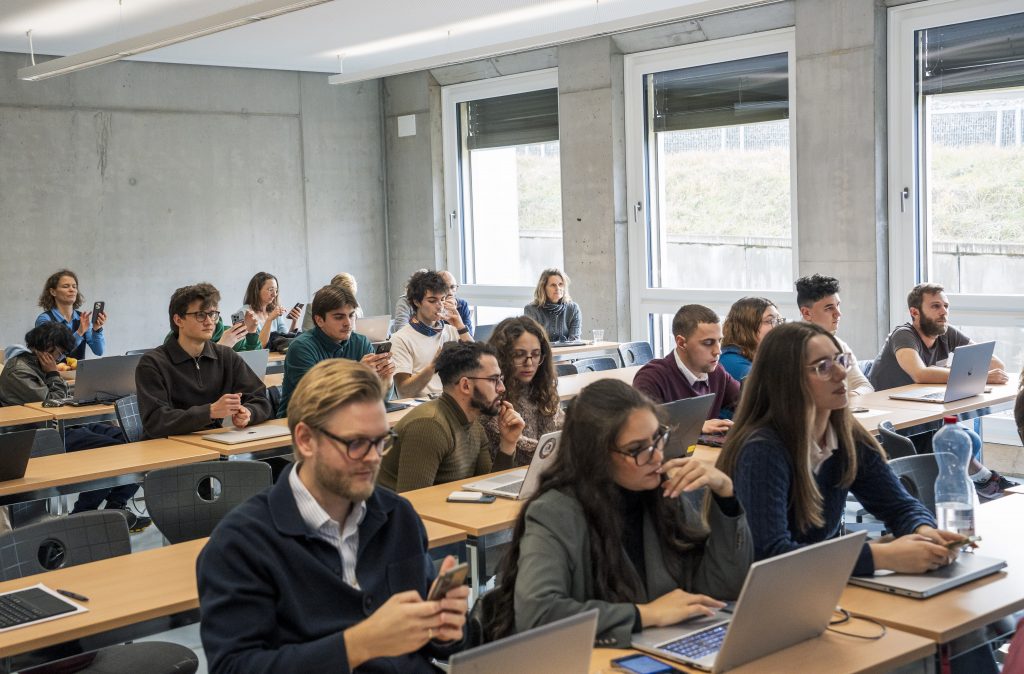
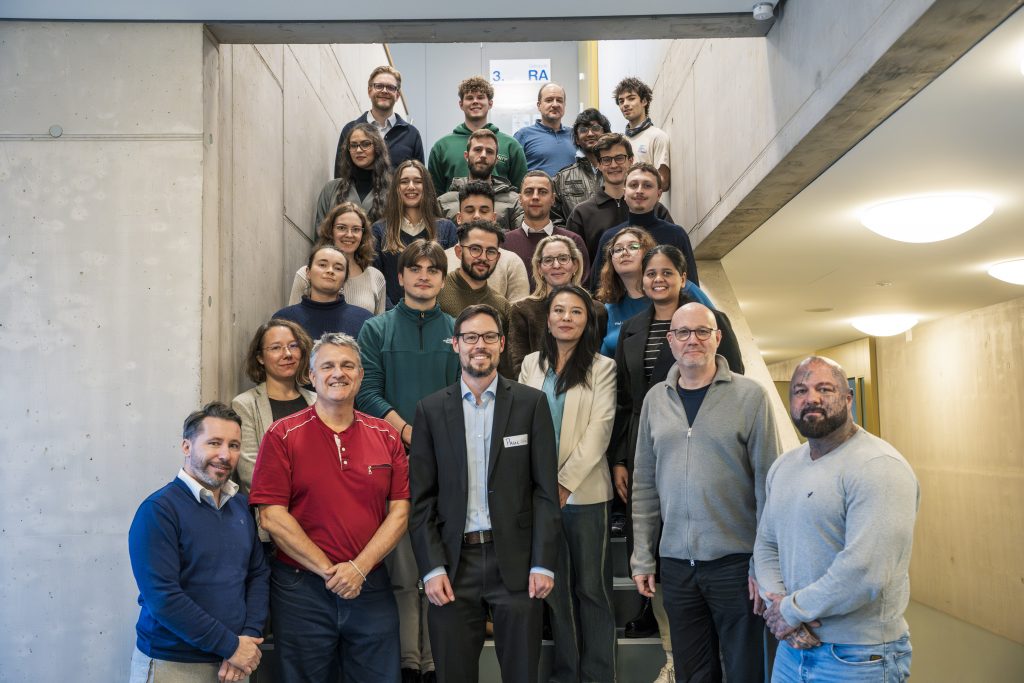
Seasonal schools aren’t just a summer affair, autumn, winter, and spring bring exciting opportunities for EELISA students as well. Take the GenAI Lab Experience, for example: a challenge-based learning program focused on designing the next generation of sustainable buildings. Over four days, students explored Generative AI and Design Thinking, learning how to transform these tools into practical solutions for real-world problems by collaborating on challenges posed by industry partners.
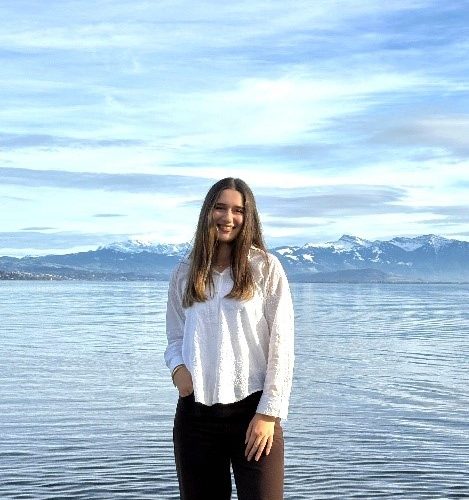
For Loredana, Master student of International Information Systems at FAU, the chance to gain hands-on experience while developing creativity, empathy, and tech-savvy problem-solving skills was what made joining the program irresistible. Learn more about her experience through this interview, by EELISA Communication Representative, Yupita Atuna.
How did you hear about EELISA?
I first heard about EELISA through a friend from my IIS Master’s program. I then started exploring the EELISA website and social media channels and was excited by the wide range of opportunities and collaborations across European universities. This motivated me to apply for an opportunity myself and take part in the EELISA experience.
Why did you participate in this workshop?
I participated in the GenAI Lab because it combined several aspects that are very important to me: internationality, innovation, technology, and solving real-life problems. The opportunity to work on a practical use case together with students from different countries and universities was truly unique and highly motivating.
How does it impact your studies and career?
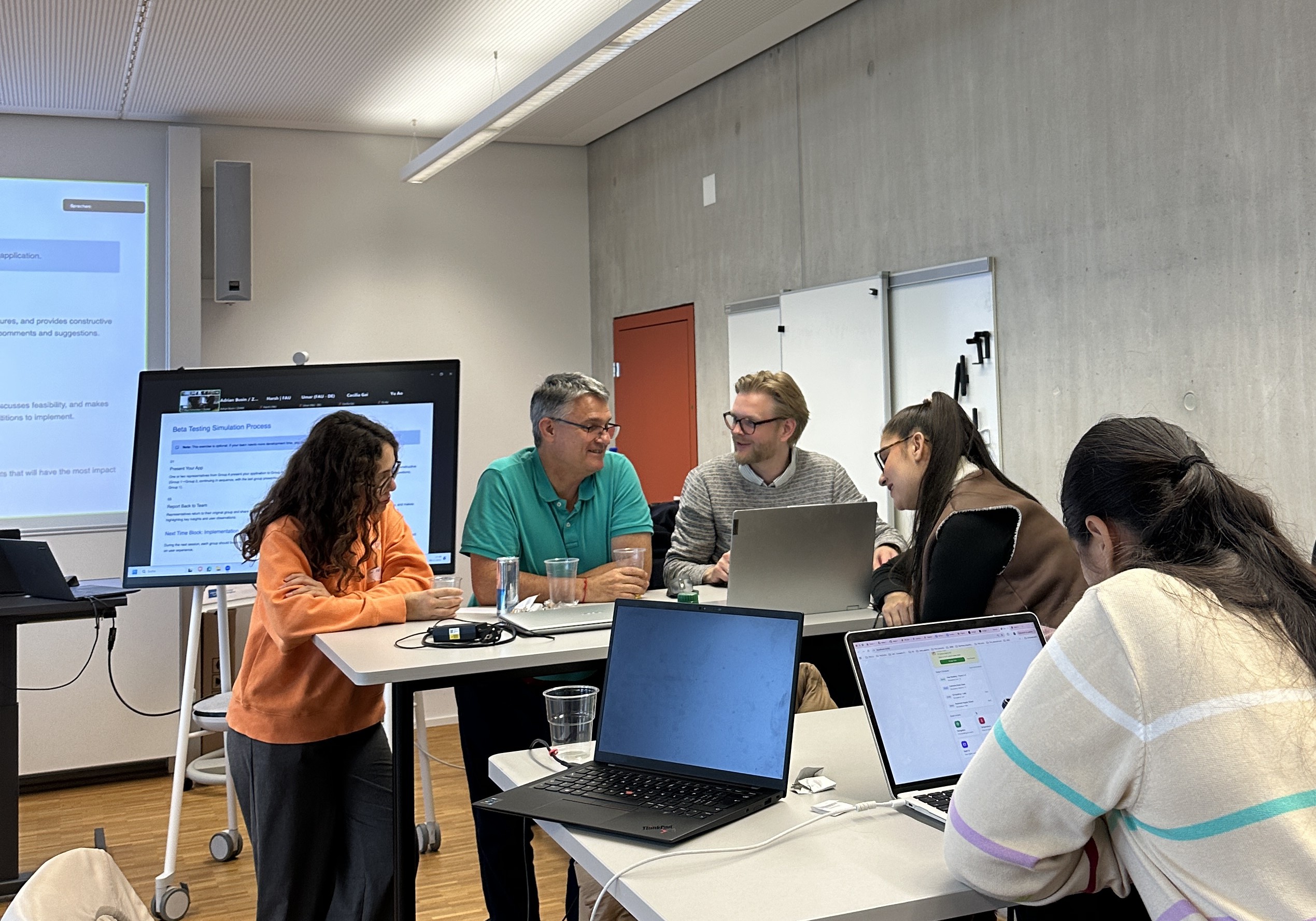
The workshop had a strong impact on both my studies and my future career. I was able to apply theoretical knowledge from my IIS Master’s program to practical fields such as business, AI, and digital systems. Working on a real-life scenario involving smart systems and smart buildings made the challenge especially interesting and new to me. This experience really strengthened my interest in human-centered technology and made me feel even more confident about the direction I want to take in my career.
What was new, and what was the team challenge about?
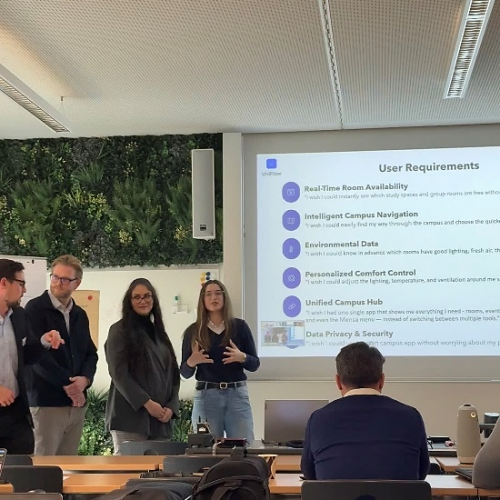
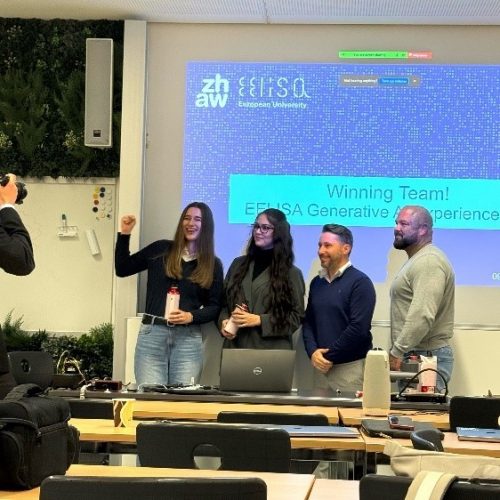
Our task was to design a smart-building solution using AI, focusing not only on technology but also on user needs. This challenge was developed in collaboration with Eliona, a company specializing in smart systems that is actively exploring how their technology can be applied in smart buildings. We chose a university building as our use case because it is part of students’ everyday lives, and our goal was to transform it into a smarter and more user-friendly environment. As a team, we developed a smart campus app called UniFlow, which uses real-time building data to improve the student experience. The app helps users find available study spaces, navigate campus buildings, and understand environmental comfort while allowing personalized adjustments in smaller rooms or shared spaces. It shows real-time information about lighting, temperature, and air quality, and allows students to adjust these settings in smaller rooms to suit their personal preferences. Overall, UniFlow is designed to make studying on campus more comfortable, efficient, and stress-free.
What was new for me was the intensity and the interdisciplinary nature of the competition. It required us to combine user research, including conducting interviews and defining the requirements engineering, then building a prototype, and preparing a final pitch – all within a very short time frame. If you had asked me before the challenge started, I would probably have said that two days were not enough. However, reality turned out to be different. With the right scope, a strong team, and good time management, we achieved results beyond our expectations, impressing the professors and the company; and eventually winning the contest. In the end, exceeding our own expectations as a team was the most important part of the experience.
How did your team win the challenge, and what was the prize?
Our team focused strongly on understanding real user pain points and translating them into a clear, well-structured solution. Rather than creating a solution first and then searching for customers, we listened to our customers first and then created the solution. We worked collaboratively, divided tasks efficiently, and stayed aligned throughout the process. Our concept stood out because it connected technical usability with real human needs.
The prize was, of course, the win itself, accompanied by a strong sense of achievement, motivation, and a memorable team experience. We also received certificates, which will be beneficial for our future academic and professional development, as well as a symbolic gift from ZHAW to make the experience even more memorable.
What are the things you wish you had known before traveling with EELISA?
I really appreciated how well-organized and supportive the program was. However, one thing I wish I had known beforehand is how intense and fast the program would be. It’s definitely helpful to arrive well-rested and mentally prepared for a very dynamic experience. At the same time, the support on-site makes it easy to adapt quickly.
Why do you think it is important for students to use opportunities funded by EELISA?
EELISA-funded opportunities provide unique international experiences that many students might otherwise not have access to. In particular, for students cannot spend a full semester abroad, shorter programs like this offer valuable insight into international collaboration within a university context, and at the same time help them build meaningful networks and develop important soft skills. In my case, this was also the first time I visited Zürich, and being able to combine this new academic experience with visiting a new city was incredibly motivating and rewarding. I would definitely encourage other students to take advantage of similar opportunities and make the best out of it.
Loredana Bratu
I am a Master’s student in International Information Systems at FAU, currently in my third semester. I also completed my Bachelor’s degree in Wirtschaftsinformatik at FAU, where I developed a strong interest in the intersection of technology, data, and business strategy. Alongside my studies, I work at DATEV in the Business Intelligence department, where I gain practical experience in data-driven decision-making, analytics, and digital transformation.