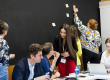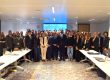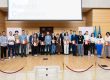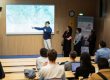

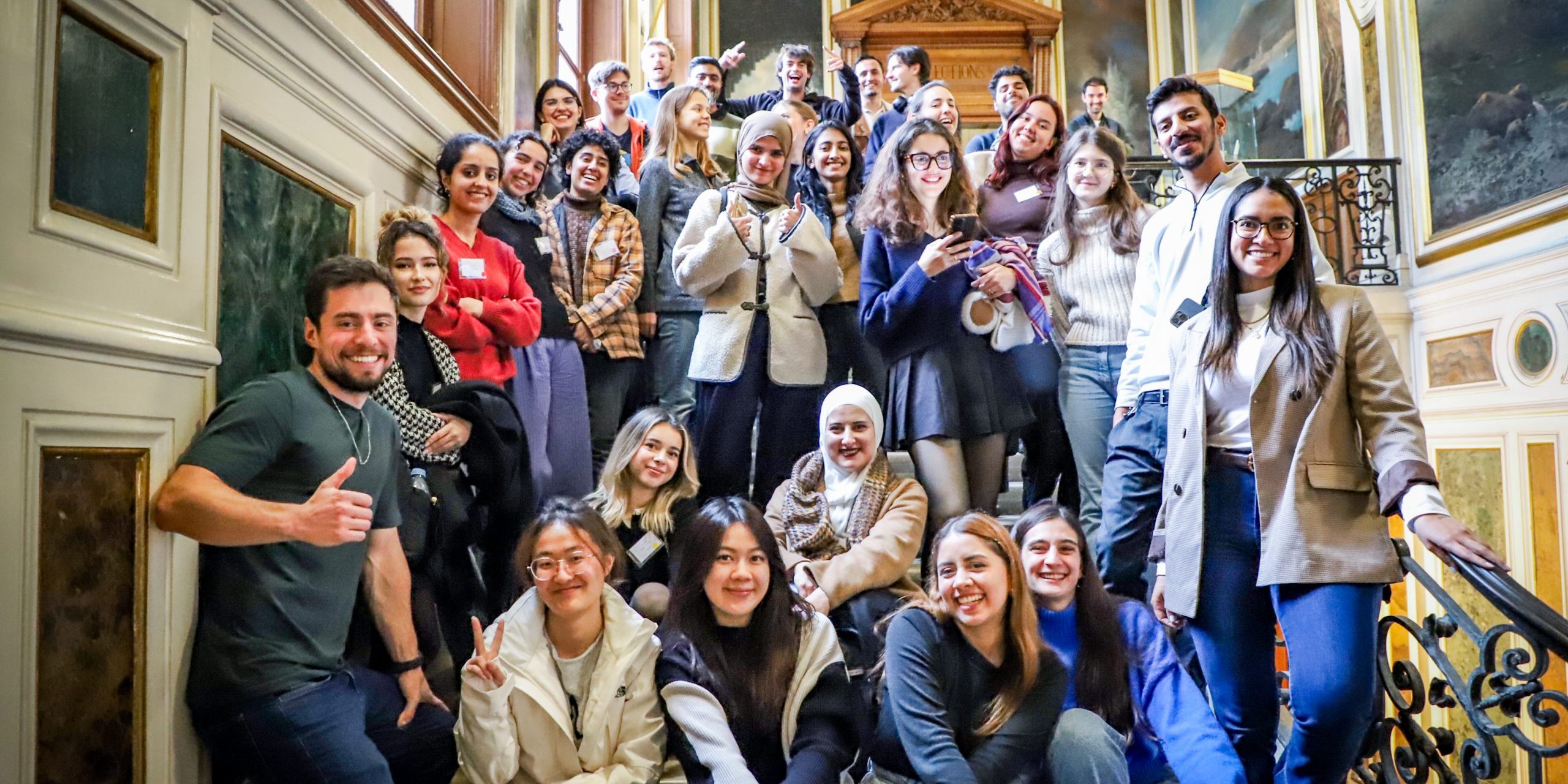
From 26 to 28 November, Mines Paris – PSL hosted the Nature-Based Solutions (NBS) Challenge as part of the PSL Week, bringing together 35 students from across the EELISA network. Combining academic exploration, field-based learning, and an international hackathon, the programme offered a hands-on approach to tackling environmental challenges through interdisciplinary and intercultural collaboration.
This initiative was one of the selected projects of the 5th EELISA Joint Call, a programme designed to support innovative, challenge-based and interdisciplinary activities across the Alliance.
In this EELISA Narrators article, Jasha Oosterbaan, Head of ISIGE at Mines Paris – PSL, shares the vision behind the PSL Week and reflects on the value of bringing together students from across Europe to co-create solutions for a more sustainable future.
And as new Joint Call-funded initiatives continue to take place across EELISA throughout the year, this story offers a glimpse into the kind of impact these programmes can generate.
What motivated you to organise this PSL Week open to EELISA students?
Working on environmental issues for decades has shown us that intercultural and interdisciplinary approaches are true catalysts for change, enabling robust, long-term problem-solving.
When we decided to introduce PSL students to the innovative framework of Nature-based Solutions as a means of addressing environmental challenges, we were convinced that bringing together peers from across Europe would constitute both a valuable opportunity and a meaningful challenge. In our view, students from leading institutions must learn to collaborate at an international level and to appreciate the added value of multicultural perspectives.
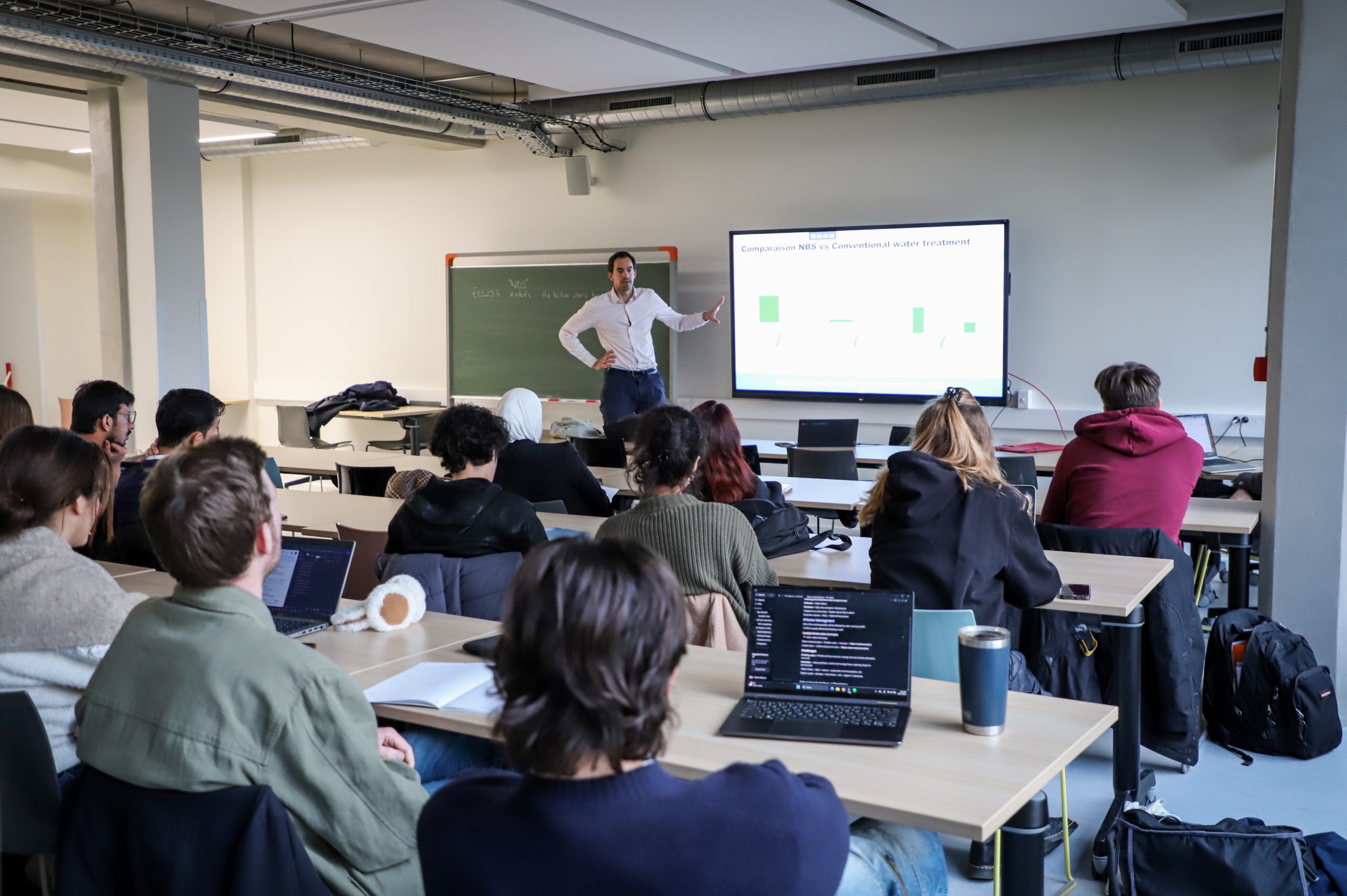
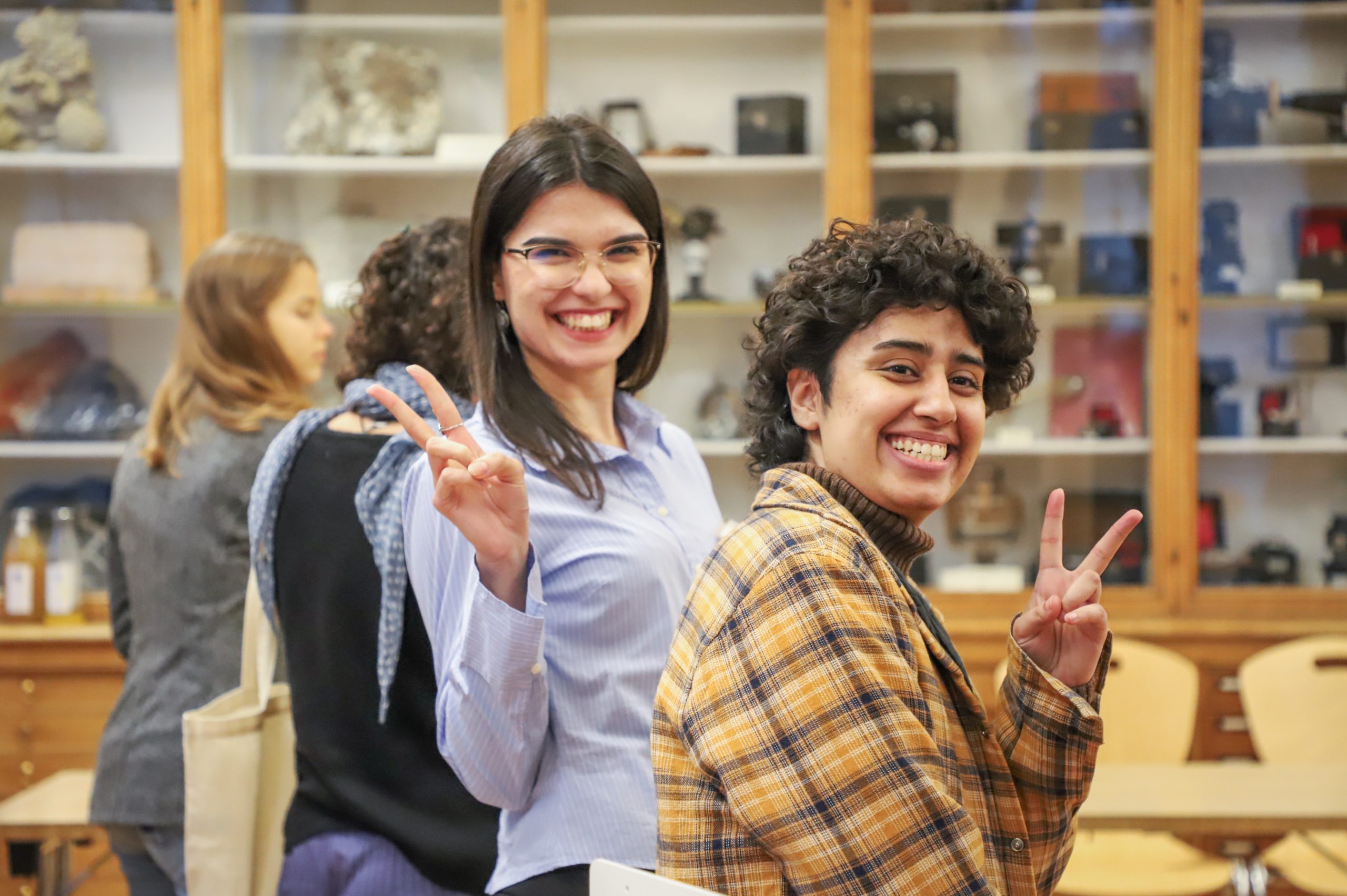
It was particularly rewarding to observe that, beyond the scientific and academic dimensions of the programme, participants also benefited from more informal experiences, including visits to Paris and the development of lasting connections with fellow international students.
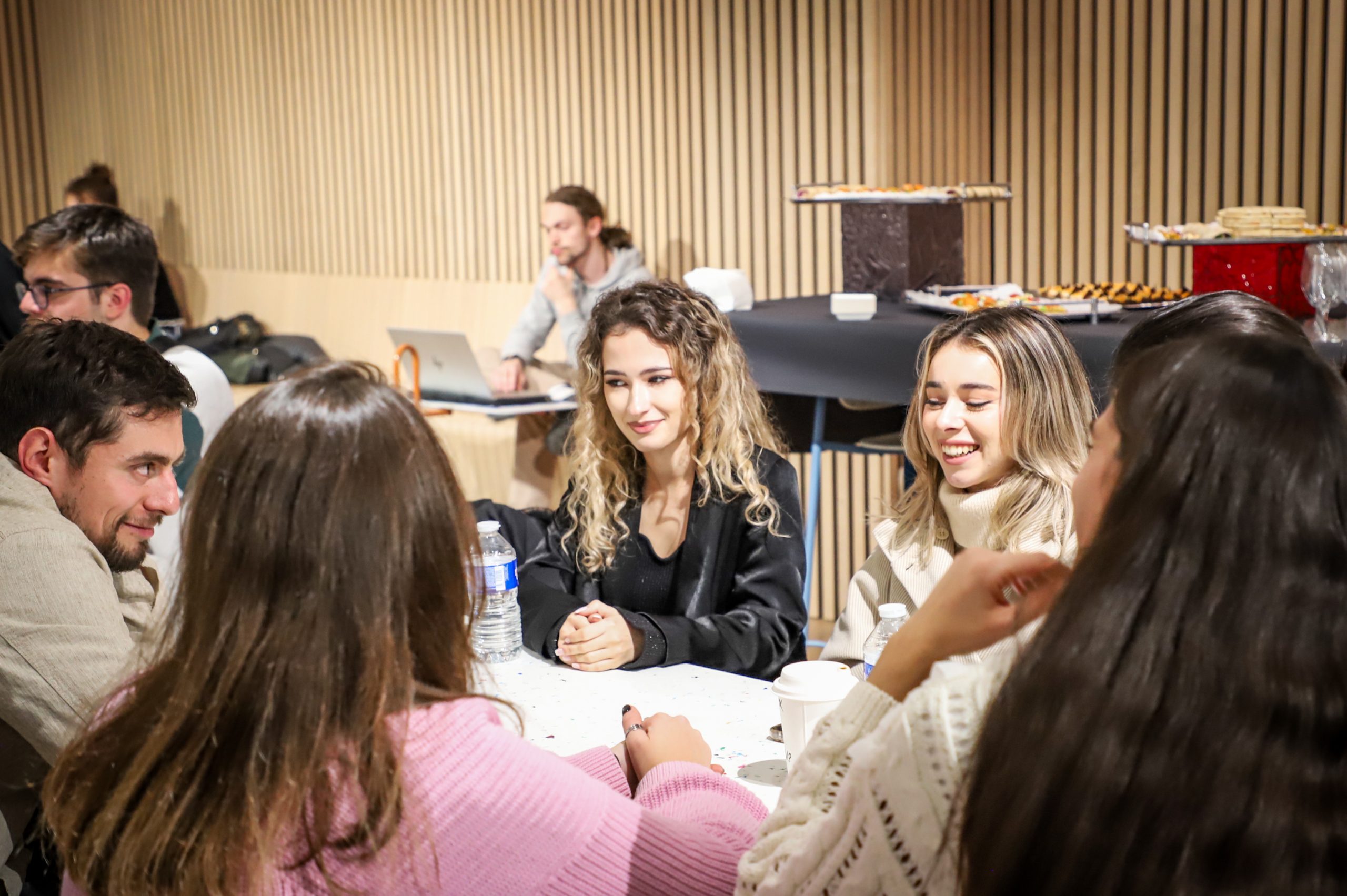
What were the objectives of this week of teaching and the dynamics of its sessions?
The 35 students were divided into six international teams, combining their diverse areas of expertise. Each team was tasked with identifying a problem that could be at least partially addressed through Nature-based Solutions. Guided by professionals to ensure the feasibility of their proposals—from technical and financial perspectives, as well as in terms of stakeholder engagement and solidarity principles—the teams developed case studies and solution frameworks to be presented to an external jury composed of a banker, two scientific experts, an UNESCO representative, a NBS specialist from IUCN, and a representative of a city council.
Two intensive days of discussion, factchecking, technical design, business model simulation, and pitch preparation provided students with valuable insight into the realities of problem-solving in field contexts they are likely to encounter in their future careers.
The hackathon competition, along with the highly inspiring solutions presented by the teams, demonstrated the strength of the collective intelligence fostered throughout the programme.
What were the highlights of this experience?
The group dynamics were strong, the pleasure of working together was genuine, and the quality of the solutions developed by the teams was truly impressive. Members of the jury invited several teams to present their results so that their respective organizations could assess whether further development might be worthwhile in real-world contexts (UNESCO, private bank). One group is also working on validating its approach through a prospective joint publication.
Among the participating professionals, the hackathon increased awareness of the strength of an European educational network such as EELISA. Discussions are ongoing with UNESCO representatives in Paris to define the next steps following this initial collaboration.
Moreover, the connections established through this initiative led to the co-creation of another bilateral EELISA event: the NBS Hackathon in Madrid (November 2025), co-directed by researchers and PhD students from UPM and PSL. This could serve as a foundation for the development of a joint research program.
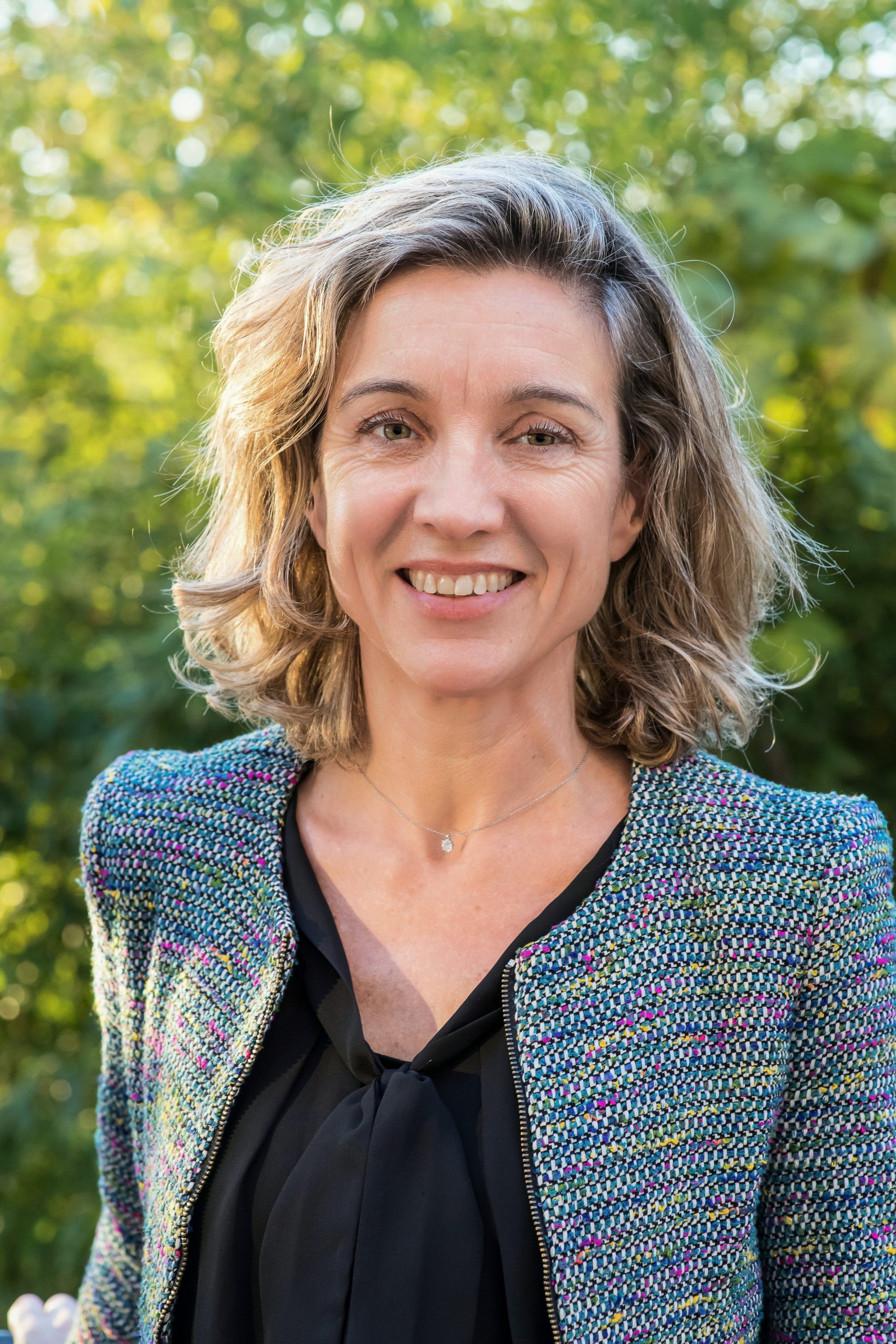
Jasha Oosterbaan is head of ISIGE Mines Paris PSL, the institute of Mines dedicated to education and research in ecological transition and sustainable development.
Following an engineering degree from Wageningen University (the Netherlands) and a PhD from Mines Paris, she has developed extensive expertise in environmental management, life cycle assessment, circular economy, and environmental impact assessment, which she applies to both research and teaching activities.
ISIGE Mines Paris PSL notably offers three post-master programmes in Environment and Sustainable Development. These programmes have been pioneering in the implementation of innovative pedagogical approaches and are grounded in systemic and interdisciplinary perspectives. They maintain close ties with the business community and are highly regarded by both companies and students.