
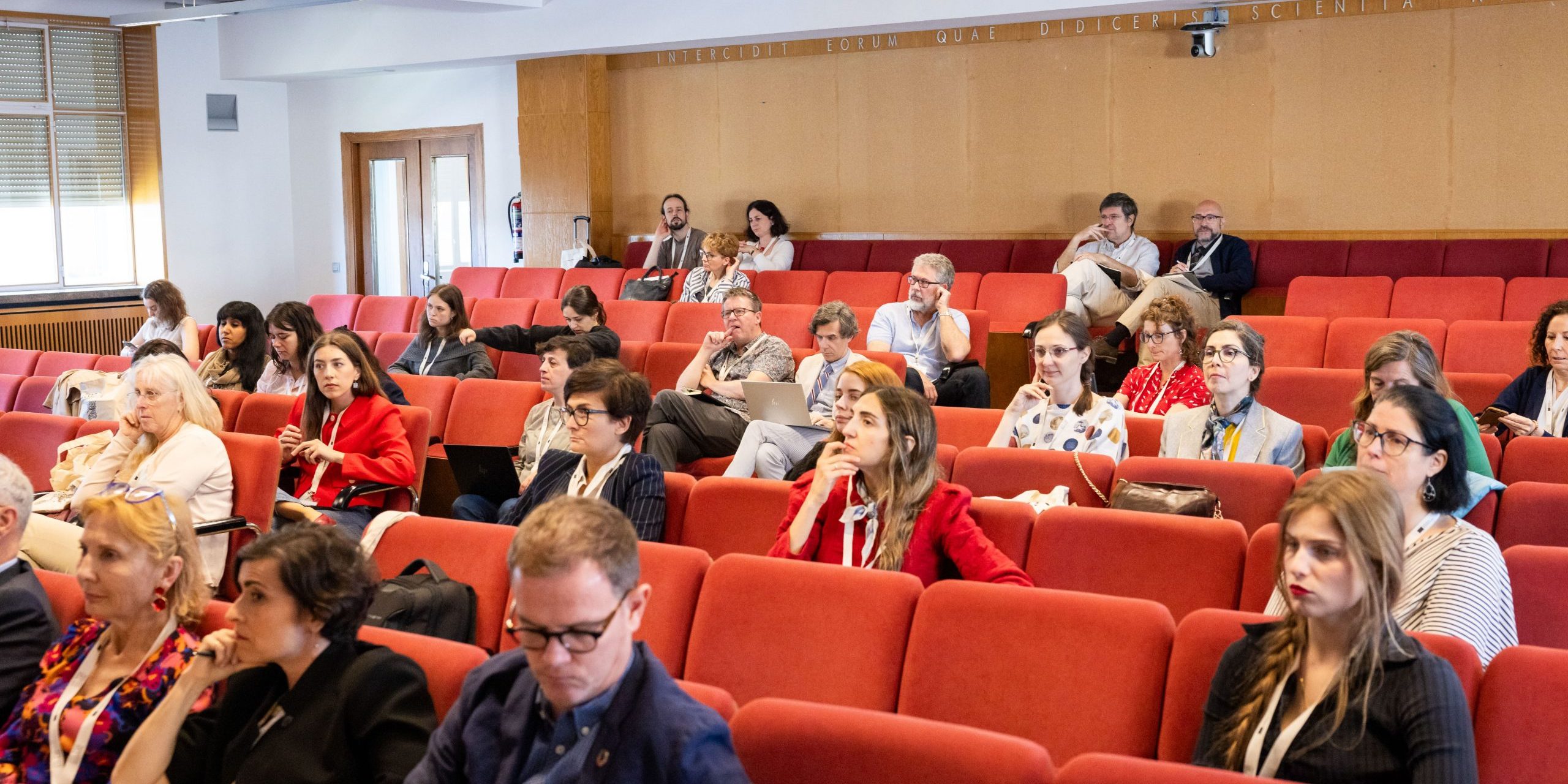
On 18–19 May, the School of Architecture of Universidad Politécnica de Madrid (ETSAM) became the meeting point for the EELISA Communities.
For the first time, the Alliance brought this vibrant ecosystem together on site for the EELISA Communities Forum 2026: From Connection to Impact – an inspiring hybrid event designed to spark new collaborations, showcase transformative initiatives, and help shape the future of EELISA Communities across Europe. With keynote speeches, workshops, and the sharing of best practices, the forum kept more than 50 participants from EELISA institutions actively engaged throughout the event.
To gain insight into this milestone and its potential outcomes and next steps, we spoke with Òscar O. Santos-Sopena Associate Vice-Rector for Inclusion and Social Commitment-Engagement at Universidad Politécnica de Madrid, participant in one of the EELISA Communities and co-organiser of the event.
Q. What motivated this EELISA Communities Forum, and why was it important to bring all EELISA Communities together for the first time?
A. The Forum emerged from a shared recognition that EELISA Communities have evolved into much more than collaborative thematic groups. They are increasingly becoming living ecosystems where education, research, innovation, and social engagement intersect around shared challenges and collective responsibility.
From the perspective of the Vice-Rectorate for Equality, Diversity, and Social Engagement at UPM, it was especially important to create a space capable of strengthening the social and human dimension of the EELISA Alliance. The Forum was conceived not only as an academic meeting, but as an opportunity to reinforce connections between universities, territories, communities, and professors.
Bringing all Communities together for the first time allowed participants to collectively reflect on how EELISA can move beyond institutional collaboration toward a more participatory and socially engaged European University model. It also reinforced the idea that Communities can become powerful drivers of transformation connecting University–Territory and University communities–Citizenship through shared action and engagement.
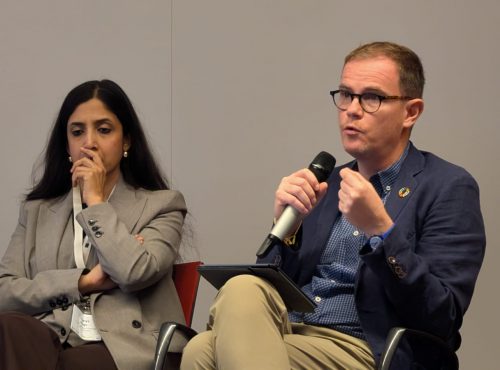
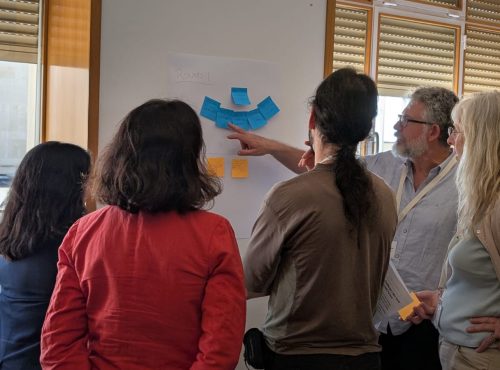
Q. Can you share an example of a moment or dynamic during the Forum that, in your view, represented a real turning point in the relationship between the communities?
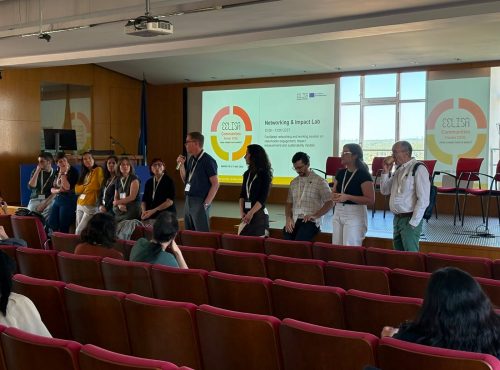
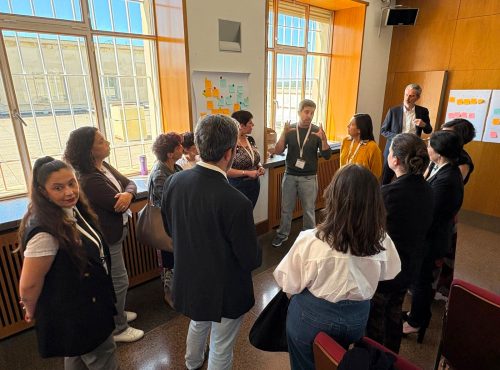
A. One particularly significant moment was the Networking & Impact Lab during the Action & Engagement phase. The interaction between EELISA Communities, civil society organisations, local stakeholders, and institutional actors created a very different type of dialogue from what is usually found in academic events. Conversations moved quickly beyond presentations and began focusing on concrete societal challenges, local needs and possibilities for long-term collaboration.
What became visible during these exchanges was that Communities were not only discussing projects or internal university activities. They were collectively exploring how universities can become more connected to territories, communities and citizenship through socially engaged ecosystems. This dynamic represented an important turning point because participants began recognising Communities as bridges between academic environments and local realities, capable of activating collaborative processes with real social impact.
Q. What feedback have you received from participants and stakeholders following the event?
A. So far the feedback has been extremely positive, particularly regarding the participatory and relational nature of the Forum. Many participants appreciated that the event was designed not as a traditional conference, but as an active collaborative environment focused on dialogue, co-creation, and reflection. For instance, several Communities highlighted the value of having spaces where institutional actors, students, researchers and external stakeholders could interact horizontally and discuss shared societal challenges together.
Moreover, stakeholders and local organisations especially valued the possibility of engaging directly with EELISA Communities and understanding the Alliance not only as an academic initiative, but as a platform for social innovation, territorial engagement and collaborative transformation. Another recurring point in the feedback was the importance of the social dimension of the Forum. Many participants emphasised that the networking dynamics helped create genuine connections and opened new possibilities for collaboration between universities, civil society, and local Madrid plus UPM ecosystems on our EELISA alliance.
Q. Looking ahead, what follow-up actions or next steps do you envision to sustain the momentum and strengthen collaboration across the EELISA Communities?
A. One of the key priorities moving forward is to maintain and strengthen the collaborative ecosystems that emerged during the Forum.
From the perspective of the Vice-Rectorate for Equality, Diversity, and Social Engagement, this means continuing to reinforce the connection between universities, territories and citizenship through socially engaged Communities capable of generating long-term impact. Future steps should include
– Strengthening cross-Community collaboration,
-Consolidating relationships with local stakeholders and civil society organisations,
– Creating more stable spaces for dialogue and peer learning, and
– Supporting Communities in developing sustainable governance and participation models.
Another important line of work will be advancing institutional recognition, ensuring that Community activities become more integrated into academic structures, student engagement pathways and broader university strategies. At the same time, the Forum reinforced the importance of preserving the openness, diversity, and participatory culture of Communities. Their transformative potential lies precisely in their ability to connect people, institutions and territories around shared societal challenges and collective action.
More broadly, the event confirmed that EELISA Communities can become powerful platforms for social + education transformation, helping universities evolve into more collaborative, inclusive and territorially engaged institutions across Europe.
Òscar O. Santos-Sopena
He is Associate Vice-Rector for Inclusion and Social Commitment-Engagement at Universidad Politécnica de Madrid (UPM). He holds a PhD in Spanish Language, Literature, and Culture from the University of Maryland–College Park, as well as master’s degrees from Universidad Complutense, The Catholic University of America, and a Certificate in Arts Administration from New York University. His work focuses on coordinating international and educational programmes, cultural initiatives, and communication strategies for international student services. As an educator and researcher, his interests include technology-enhanced learning, applied linguistics, and online, blended, and hybrid higher education.

MORE FROM THE EELISA COMMUNITIES FORUM