
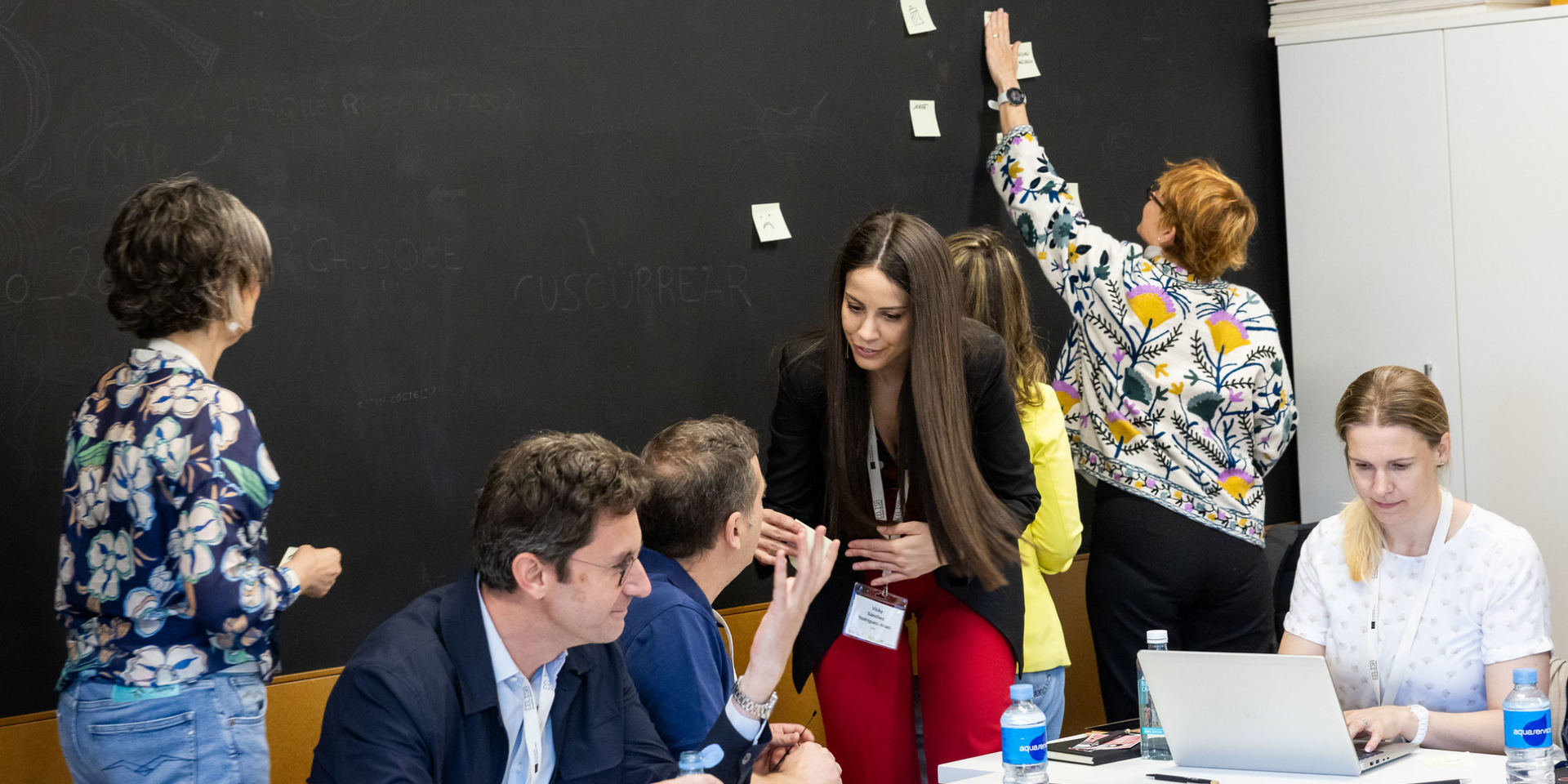
How can educational innovation become a shared effort rather than an individual achievement? That is the question at the heart of the first EELISA Co-Learning Lab (CLL), an initiative that reimagines the traditional conference format by placing collaboration, reflection, and co-creation at its core.
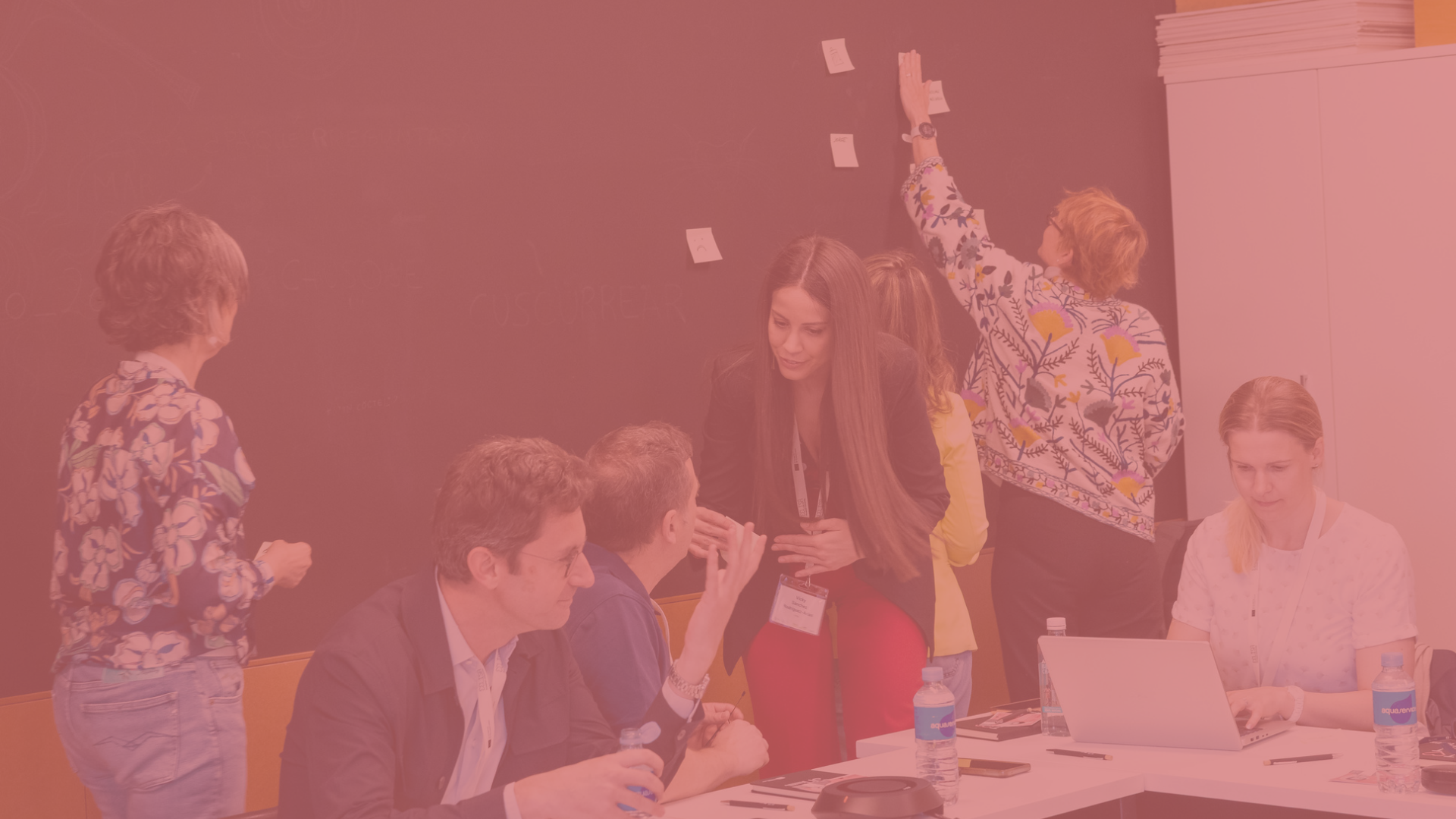
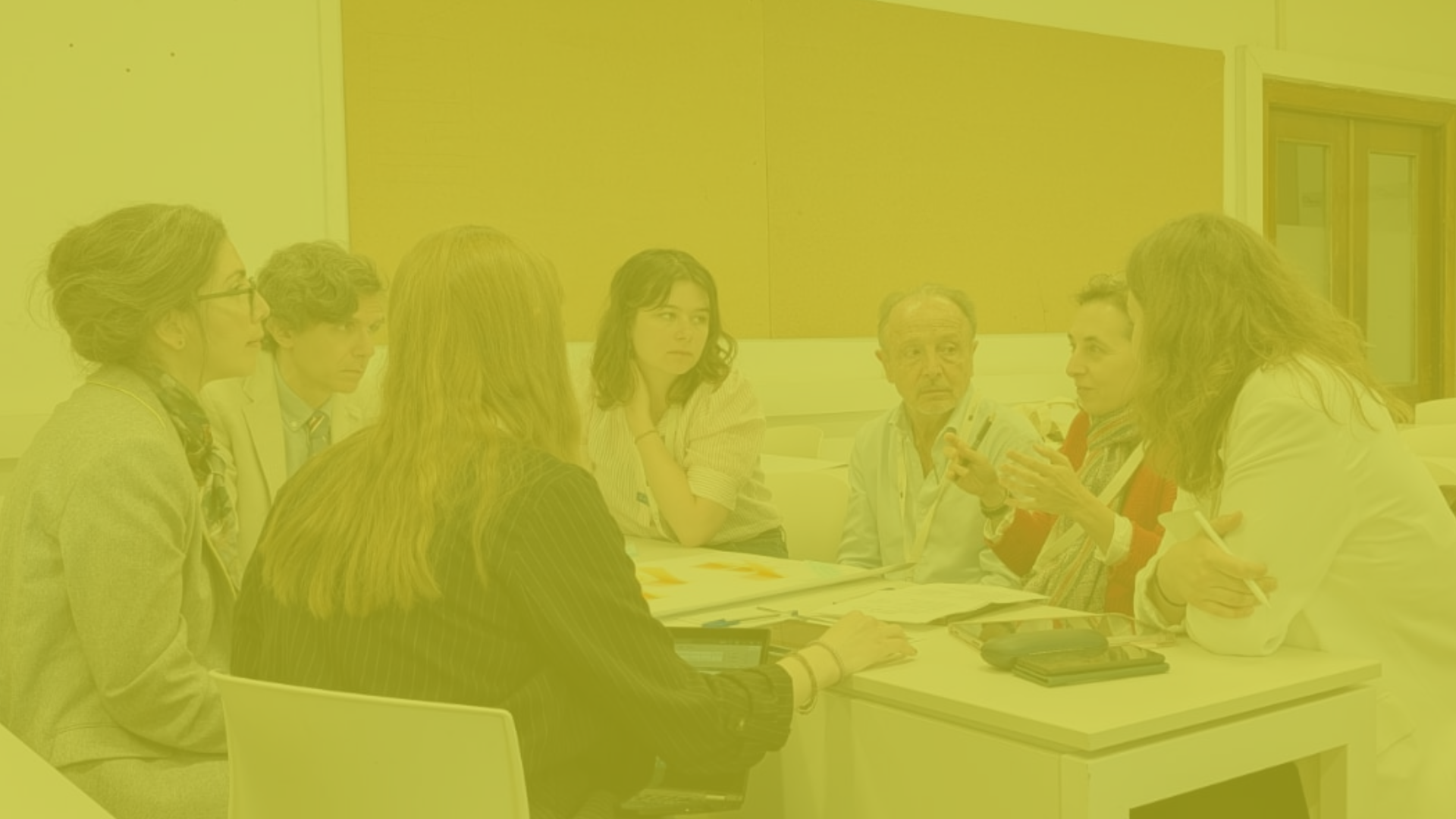
Rather than simply showcasing completed projects, the Co-Learning Lab invites academics, students, educational professionals, and external stakeholders to exchange experiences, refine good practices, and work together to transform successful initiatives into reusable learning resources that can benefit the entire Alliance.
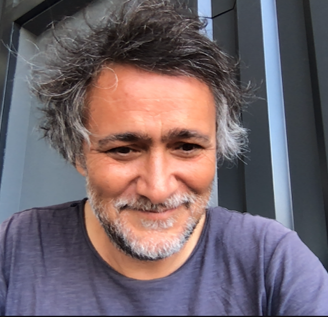
Ahead of this inaugural edition, we spoke with Emrah Acar, one of the driving forces behind the initiative to learn more about the vision behind the Co-Learning Lab, what participants can expect from the experience, and how this new format aims to strengthen a shared culture of educational innovation across EELISA.
Q. The EELISA Co-Learning Lab is described as more than a traditional conference. What makes this format different, and what kind of experience do you hope participants will have?
A. The EELISA Co-Learning Lab is not designed as a conventional event where participants simply present completed work and then leave. We see it as a shared learning environment where good practices are discussed, improved, connected to wider Alliance priorities, and transformed into resources that others can adapt and use. We focus on good practices because EELISA is not starting from zero. Each partner already has valuable experiences, methods, and tools. The Lab helps us reveal their complementarity, learn from what has already worked in real contexts, and transform practices that have passed the test of time into shared Alliance-level learning resources.
What makes the format different is its focus on co-learning and co-creation. Participants will not only listen to presentations; they will exchange experiences, receive feedback, explore the transferability of practices, and work with peers from different institutions and disciplines. In this sense, the Lab is both a dissemination space and a design space.
I hope participants will experience the Lab as an open, reflective, and practice-oriented environment. They should leave not only with new ideas, but also with new collaborators, clearer methods for improving their educational practices, and a stronger sense that teaching and learning innovation across EELISA can become a shared, cumulative effort.
Q. Who is the Co-Learning Lab designed for, and what value can academics, students, and educational professionals expect to gain from participating?
A. The Co-Learning Lab is designed for a broad EELISA community: academics, students, educational developers, learning centers, graduate schools, EELISA Communities, practitioners, alumni and external stakeholders who are interested in innovative teaching and learning.
For academics, the Lab offers an opportunity to make their teaching practices visible, receive structured feedback, and explore how their work can be adapted across different institutional and disciplinary contexts. For students and early-career researchers, especially those involved in graduate research or student-led initiatives, it creates a pathway to translating research outputs into meaningful learning experiences. For educational professionals and learning centers, the Lab provides a space to compare methods, strengthen pedagogical capacity, and build practical collaboration around learning design.
The main value is that participants become part of a structured Alliance-level process. Their contributions are not treated as isolated examples, but as potential building blocks for reusable learning resources, future training opportunities, and a shared EELISA pedagogical identity.
Q. One of the Lab’s goals is to transform good practices into transferable learning resources. Can you share how ideas developed during the event will continue to benefit the wider EELISA community?
A.
A key ambition of the Co-Learning Lab is to ensure that good practices do not remain limited to one course, one institution, or one event. Selected contributions will be documented, discussed, and further developed so that they can become reusable learning resources for the wider EELISA ecosystem.
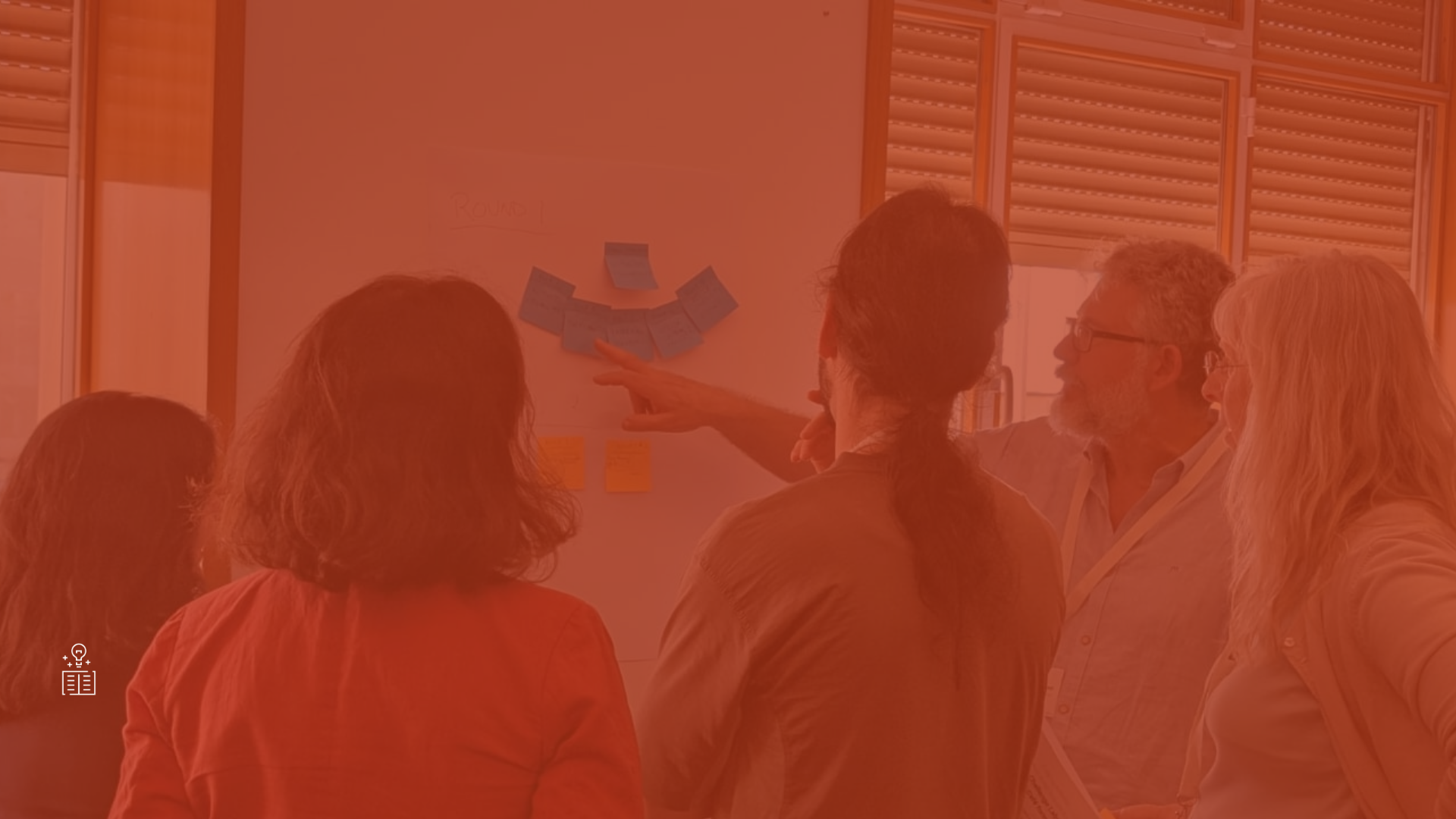
This is where the Learning Station methodology and the Training of Trainers pathway are important. During and after the event, selected practice owners will be supported in clarifying their target groups, learning objectives, activity flows, assessment methods, and materials. The aim is to help them transform their practices into structured learning experiences that can be adapted by other EELISA institutions.
The expected outputs include a digital abstract book, event documentation, Learning Station outputs, and reusable learning assets that can be shared through EELISA Connect (which will be launched during the Co-learning Lab as a digital co-creation platform) on the EELISA Digital Campus, and related repositories. In this way, the Lab creates continuity: what begins as a presentation can evolve into a training module, a collaborative learning activity, or a resource that supports educational innovation across the Alliance.
Q. What are you most looking forward to in this EELISA first CLL edition, and what message would you like to send to potential participants across the Alliance?
A. What I am most looking forward to is seeing how diverse practices from across EELISA can come together and create a richer picture of educational innovation. Each institution has its own experiences, strengths, and local contexts. The Co-Learning Lab gives us a chance to connect these experiences and turn them into shared knowledge.
I am also excited about the possibility of linking teaching innovation, graduate research, Challenge-Based Learning, Learning Stations, and digital platforms in one integrated process. This is very important for the future of EELISA because it helps us move from individual initiatives to a more sustainable Alliance-level learning ecosystem.
My message to potential participants is simple: bring your experience, even if it is still evolving. The Lab is not only for polished success stories. It is also for practices that raise important questions, show lessons learned, and have the potential to grow through collaboration. By joining the Co-Learning Lab, participants can help shape how EELISA learns from itself and how we collectively design the next generation of learning experiences.
Emrah Acar
He is an Associate Professor of Construction Project Management at Istanbul Technical University Faculty of Architecture. He received his PhD degree in 2005 from the ITU Science and Technology Institute in the field of construction management. He worked as a visiting scholar at the Illinois Institute of Technology (IIIT). He took roles as a researcher in local and international research projects which focused on innovation and innovative learning. He is the Director of the ITU Centre for Excellence in Education. Acar’s current research, teaching, and consultancy activities focus on knowledge management and the learning ecosystems of organizations in addition to emergency architecture. Acar has been working as the ITU coordinator of the EELISA project since June 2021.