
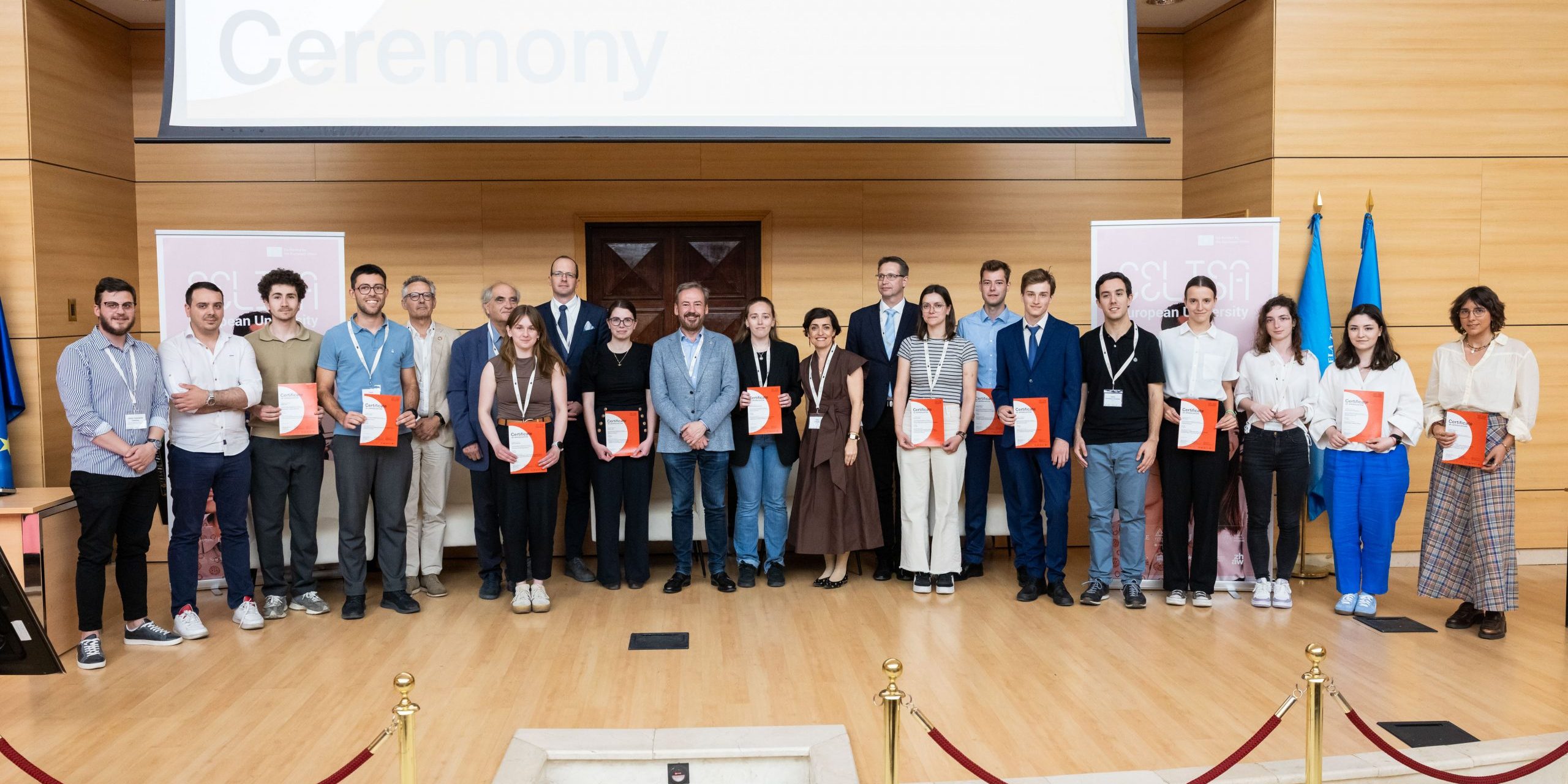
On 21 and 22 May, 170 students from across the EELISA alliance brought their research to the School of Industrial Engineering at Universidad Politécnica de Madrid. Papers, presentations, and months of work distilled into two days of pitches, jury sessions, and conversations.
Noelia Rodríguez Rodríguez, a Telecommunications Engineering student at UPM and one of EELISA’s Student Reporters, tells the story of those two days.
“If you want to go fast, go alone. If you want to go far, go together.”
This proverb perfectly captures the spirit of the 4th EELISA Scientific Student Competition, held on 21 and 22 May 2026 at the School of Industrial Engineering of the Universidad Politécnica de Madrid.
For two days, Madrid became a meeting point for student researchers from across Europe, bringing together curiosity, academic ambition and international collaboration.
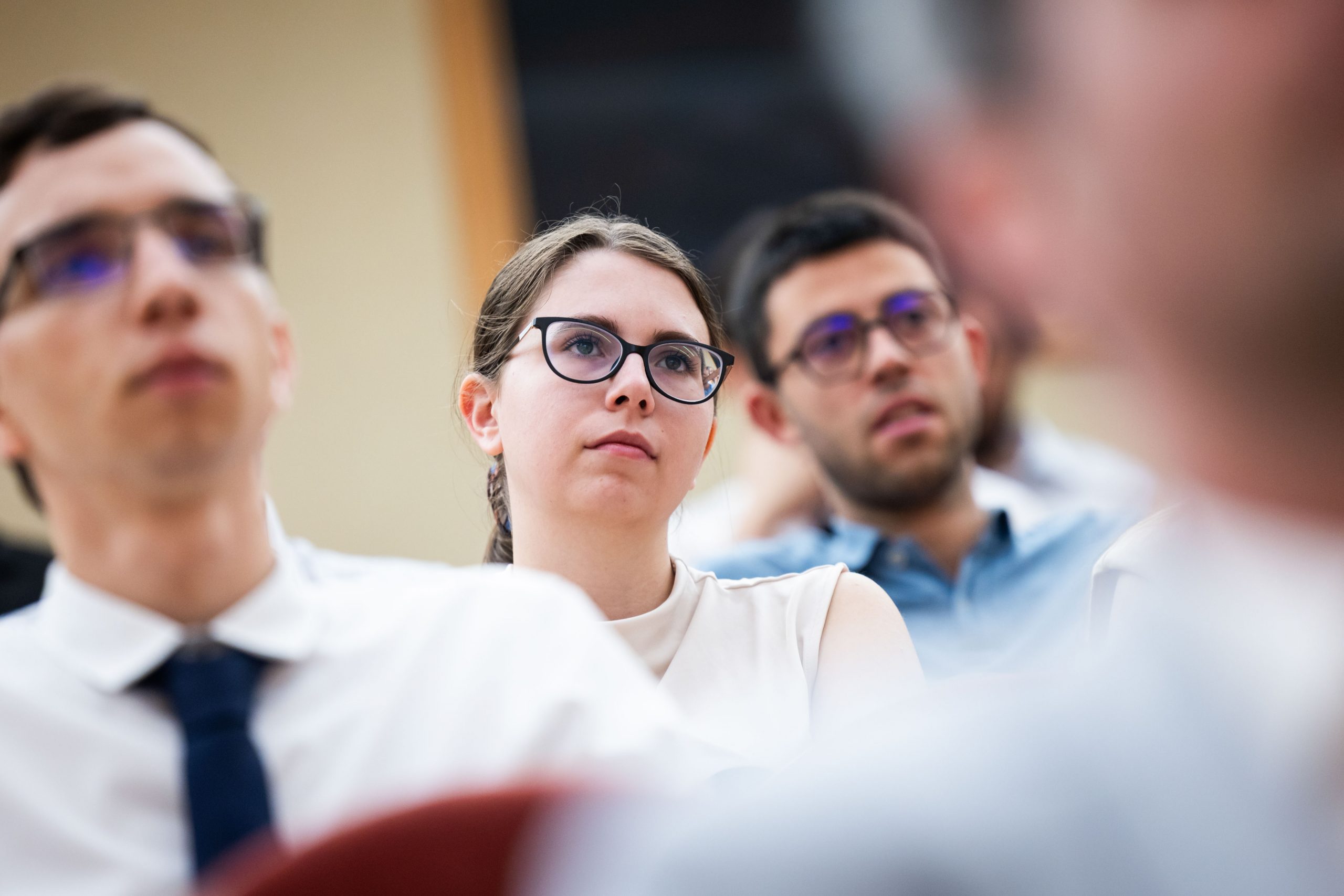
Organised within EELISA, the competition reflects the Alliance’s mission to connect engineering, science and society through a shared European academic community. EELISA brings together ten higher education institutions from eight European countries, with the ambition of shaping a common model of European engineer rooted in society and able to respond to inclusive, sustainable and digital challenges.
The 4th edition invited BSc, MSc and PhD students from EELISA partner institutions to present their research, develop scientific writing skills, collaborate with experts and explore future academic projects. Participants worked across a wide range of disciplines, including Engineering, Architecture, Natural Sciences, Economics and Social Sciences.
“The EELISA Scientific Student Competition is a great opportunity for students to develop their research, improve their presentation skills and receive guidance from experienced supervisors.”
Boldizsár Bunda, BME student participant at the EELISA Scientific Student Competition
More than a final presentation, the competition was the result of months of preparation. Students developed their research with the support of supervisors, prepared scientific papers and presented their work before juries and peers in an international setting.
“During the previous months, students work on their research with the support of their supervisors, and the competition gives them the chance to present that work in an international environment.”
A European campus for student research
The Madrid edition continued a growing EELISA tradition. Previous editions of the Scientific Student Competition had already shown the potential of this format as a platform for student research, connecting young researchers across countries, universities and disciplines. The 2026 edition built on that momentum, placing UPM at the centre of an EELISA week in Madrid that also included broader Alliance activities and meetings.
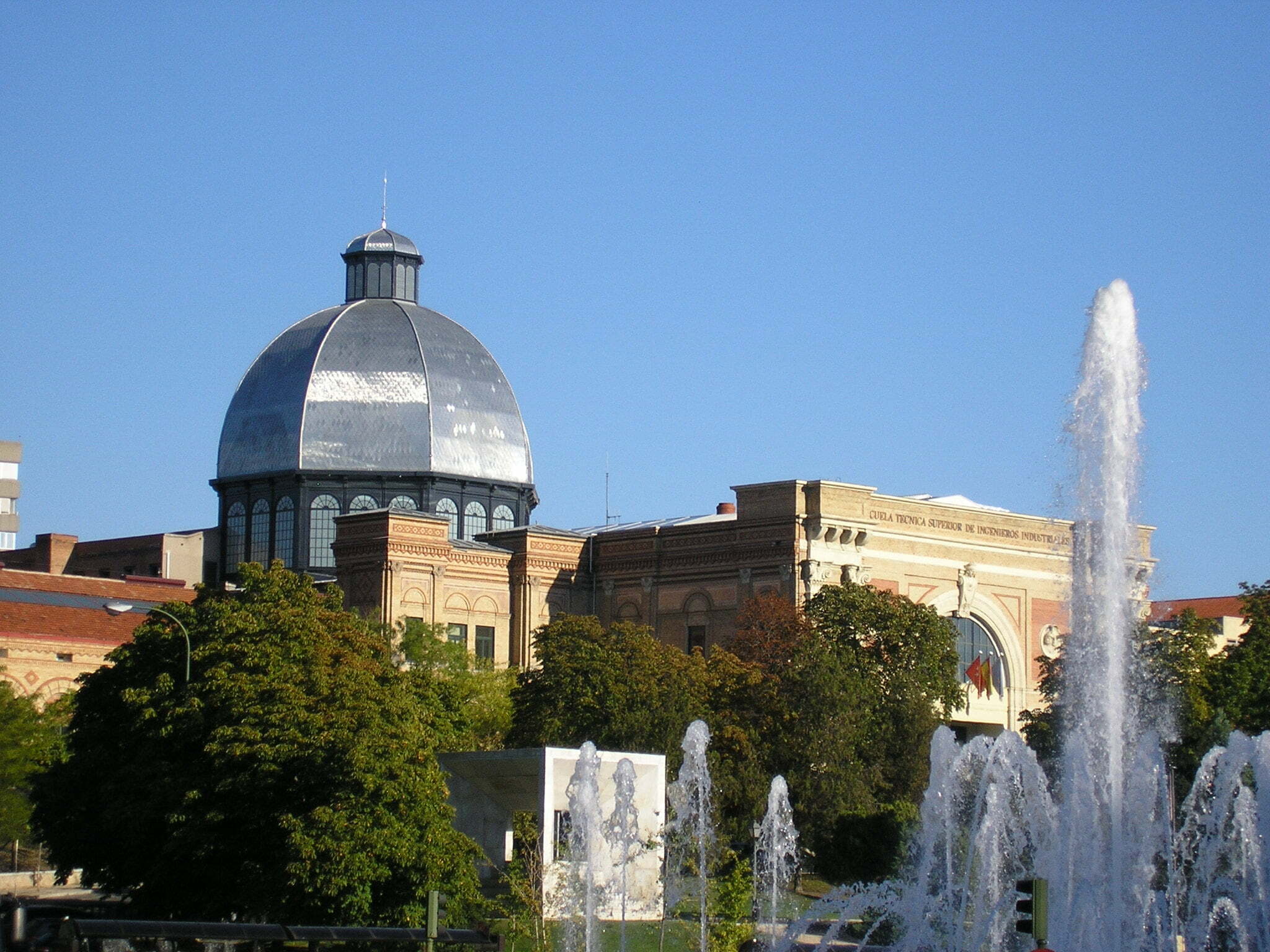
At the School of Industrial Engineering, the event became a temporary European campus. Students moved between presentations, jury discussions and informal conversations, discovering not only new research topics but also new ways of approaching similar challenges.
“It was very interesting to see research from different fields and to listen to presentations from students coming from different universities.”
Balázs Kövesdi, Associate Professor at BME & Co-Chairman of the EELISA Scientific Student Competition
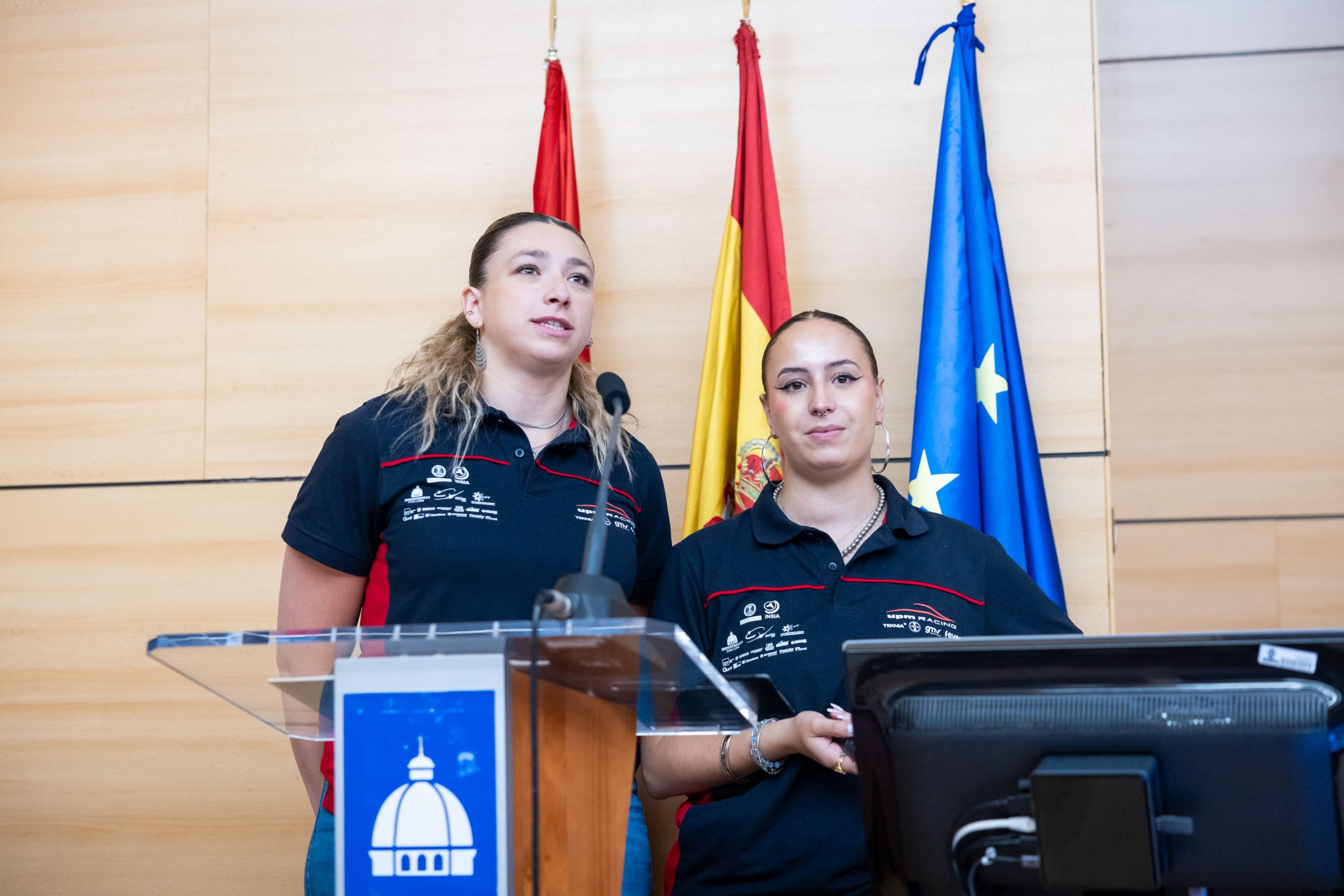
This interdisciplinary atmosphere was one of the most valuable aspects of the competition. The SSC gave students the opportunity to look beyond their own field and understand how research can become stronger when it is shared across academic cultures.
Learning to present, defend and connect ideas
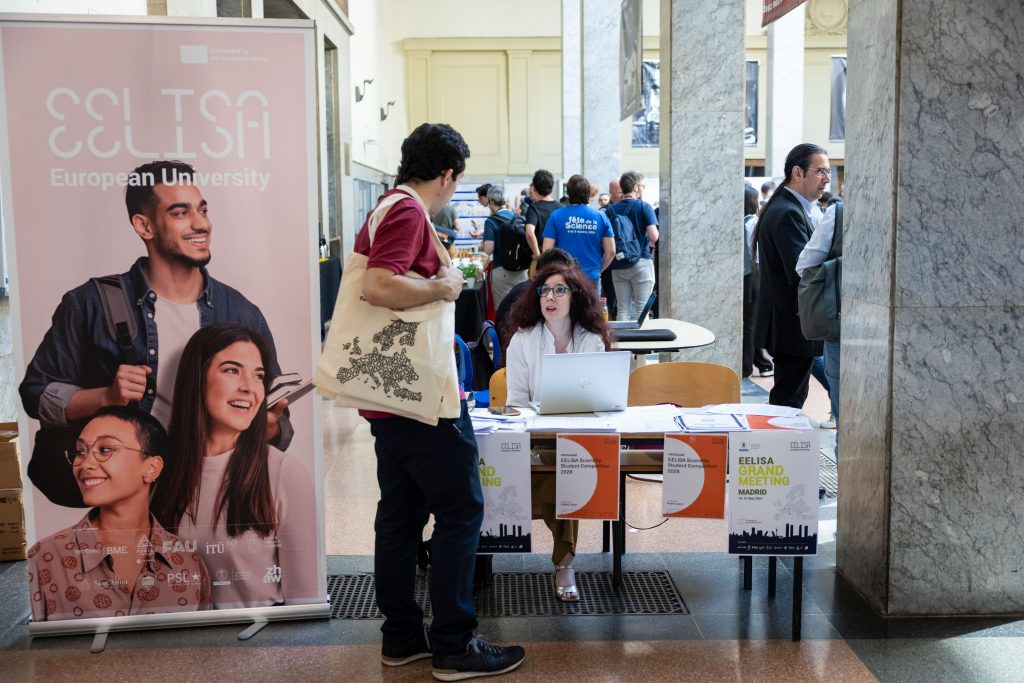
The competition also highlighted a key part of academic growth: learning how to communicate research. Participants had to present complex ideas clearly, answer questions and defend their work in front of an expert audience.
“The event helps them practice not only their research skills, but also how to communicate and present their ideas clearly.”
Balázs Kövesdi, Associate Professor at BME & Co-Chairman of the EELISA Scientific Student Competition
For many students, this was a first experience of presenting research in an international academic environment. For others, it was a step towards a thesis, a publication or a future collaboration. In both cases, the SSC offered a space where students could grow as researchers while becoming part of a wider EELISA community.
“What makes this competition special is that students do not only present their results; they become part of a wider research community.”
Recognising young scientific talent
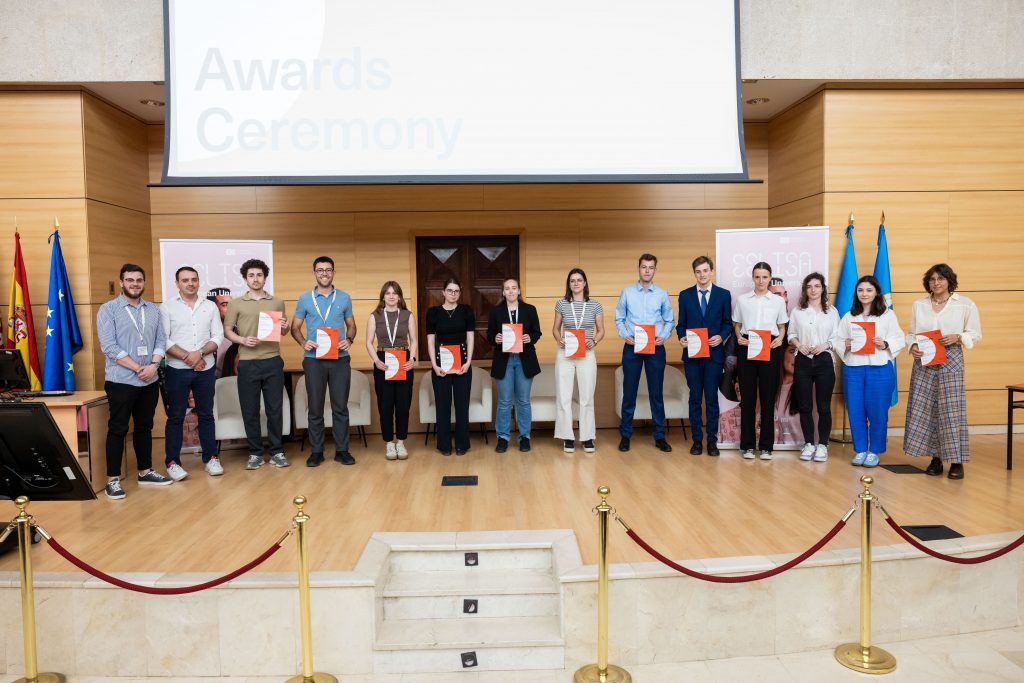
The competition concluded with an award ceremony recognising the most outstanding research contributions presented during the event. The official program included final presentations, jury results and the celebration of the winning projects.
Going further, together
The 4th EELISA Scientific Student Competition showed that student research is not only about individual projects. It is also about dialogue, feedback and collaboration. In Madrid, students from across the EELISA Alliance had the chance to test their ideas, learn from each other and imagine how their research could grow beyond their own university.
By bringing together young researchers in a shared European space, the SSC continues to strengthen its role as one of EELISA’s most meaningful student opportunities. The Madrid edition confirmed that the competition is no longer just becoming a tradition: it is already part of the EELISA identity.
And, as one of the messages from the event reminded participants: research can go further when it is built together.
Here are the winners of the 2026 edition:
| Mobility, autonomous vehicles, aviation and space technology | 1st prize | Andreea Popescu | Universitatea Politehnica din Bucuresti |
| Mobility, autonomous vehicles, aviation and space technology | 1st prize | Maria-Izabela Radoi | Universitatea Politehnica din Bucuresti |
| Mobility, autonomous vehicles, aviation and space technology | 1st prize | George Pâslaru | Universitatea Politehnica din Bucuresti |
| Mobility, autonomous vehicles, aviation and space technology | 1st prize | Catalin Chelmus | Universitatea Politehnica din Bucuresti |
| Mobility, autonomous vehicles, aviation and space technology | 1st prize | Stefan Ursache | Universitatea Politehnica din Bucuresti |
| Architecture | 1st prize | Tamara Tóth | Budapest University of Technology and Economics |
| Automation, Control, Robotics | 1st prize | Eldam Alp | Istanbul Technical University |
| Biomedical research | 1st prize | Miklós Damján | Budapest University of Technology and Economics |
| AI technologies | 1st prize | Benedek Ágota | Budapest University of Technology and Economics |
| AI technologies | 1st prize | Csaba Potyók | Budapest University of Technology and Economics |
| Social Sciences 2 | 1st prize | Pietro Grassi | Scuola Superiore Sant’Anna |
| Mobility, vehicle engineering, transportation services | 1st prize | Thorben Rang | Budapest University of Technology and Economics |
| Applied Sciences 1 | 1st prize | Anna Árok | Budapest University of Technology and Economics |
| Chemical and Bioengineering 2 | 1st prize | Csenge Dremák | Budapest University of Technology and Economics |
| Smart production | 1st prize | Irene Rodríguez Gramún | Universidad Politécnica de Madrid |
| Clinical diagnostics, treatment, and rehabilitation | 1st prize | Coulomb Eléa | Scuola Normale Superiore |
| Social Sciences 1 | 1st prize | Maisha Humayra Maharose | Budapest University of Technology and Economics |
| Social Sciences 1 | 1st prize | Ahmed Tehjib | Budapest University of Technology and Economics |
| Social Sciences 1 | 1st prize | Lan Anh Nguyen | Budapest University of Technology and Economics |
| Built Environment | 1st prize | Tímea Lajkó | Budapest University of Technology and Economics |
| Chemical and Bioengineering 1 | 1st prize | Szonja Rokonay | Budapest University of Technology and Economics |
| Applied Sciences 2 | 1st prize | Victoria-Elena Plopeanu | Universitatea Politehnica din Bucuresti |
| Applied Informatics | 1st prize | Dániel Kovács | Budapest University of Technology and Economics |
| Chemical and Bioengineering 2 | 2nd prize | Ágnes Madács | Budapest University of Technology and Economics |
| Mobility, vehicle engineering, transportation services | 2nd prize | Nicolae Bodunu | Universitatea Politehnica din Bucuresti |
| Mobility, vehicle engineering, transportation services | 2nd prize | Eremia Razvan | Universitatea Politehnica din Bucuresti |
| Mobility, vehicle engineering, transportation services | 2nd prize | Ivan Mihai | Universitatea Politehnica din Bucuresti |
| Social Sciences 1 | 2nd prize | Iskender Imanaliev | Budapest University of Technology and Economics |
| Social Sciences 1 | 2nd prize | Azim Maksatbek uulu | Budapest University of Technology and Economics |
| Social Sciences 1 | 2nd prize | Marcell Danka | Budapest University of Technology and Economics |
| Applied Sciences 2 | 2nd prize | Chenyi Xu | Universidad Politécnica de Madrid |
| Chemical and Bioengineering 1 | 2nd prize | Viktória Gerő | Budapest University of Technology and Economics |
| Built Environment | 2nd prize | Jorge Luis Garcia Zea | Budapest University of Technology and Economics |
| Social Sciences 2 | 2nd prize | Lan Anh Nguyen | Budapest University of Technology and Economics |
| Biomedical research | 2nd prize | Marco Fernández Pérez | Universidad Politécnica de Madrid |
| Mobility, autonomous vehicles, aviation and space technology | 2nd prize | Előd István Király | Budapest University of Technology and Economics |
| Automation, Control, Robotics | 2nd prize | Alessandro Genua | Scuola Superiore Sant’Anna |
| Applied Sciences 1 | 2nd prize | Áron Bányai | Budapest University of Technology and Economics |
| Applied Sciences 1 | 2nd prize | Aurél Varga | Budapest University of Technology and Economics |
| Smart production | 2nd prize | Virginia Padrós Rodero | Universidad Politécnica de Madrid |
| Clinical diagnostics, treatment, and rehabilitation | 2nd prize | Cristian Felipe Blanco-Diaz | Scuola Superiore Sant’Anna |
| Applied Informatics | 2nd prize | Kristóf Samu Mile-Kis | Budapest University of Technology and Economics |
| Applied Informatics | 2nd prize | Zsombor Tapasztó | Budapest University of Technology and Economics |
| AI technologies | 2nd prize | Bertalan Lichter | Budapest University of Technology and Economics |
| Architecture | 2nd prize | Nikolett Geraszin | Budapest University of Technology and Economics |
| Social Sciences 1 | 3rd prize | Jenifer Merz | Friedrich-Alexander-Universität Erlangen-Nürnberg |
| Architecture | 3rd prize | Aldaaja Worood | Budapest University of Technology and Economics |
| Applied Sciences 1 | 3rd prize | Andrei Fodor | Friedrich-Alexander-Universität Erlangen-Nürnberg |
| Applied Sciences 2 | 3rd prize | Huba Benedek Bugyi | Budapest University of Technology and Economics |
| Built Environment | 3rd prize | Botond Csákay | Budapest University of Technology and Economics |
| Chemical and Bioengineering 1 | 3rd prize | Mihaela-Aurelia Andrei | Universitatea Politehnica din Bucuresti |
| Social Sciences 2 | 3rd prize | Eduárd Bologa | Budapest University of Technology and Economics |
| Smart production | 3rd prize | Brigitta Mikula | Budapest University of Technology and Economics |
| AI technologies | 3rd prize | Dávid Nagy | Budapest University of Technology and Economics |
| Automation, Control, Robotics | 3rd prize | Carolina Yasmin Tank Vela | Universidad Carlos III de Madrid |
| Mobility, vehicle engineering, transportation services | 3rd prize | Paul Octavian Căbuz | Universitatea Politehnica din Bucuresti |
| Mobility, vehicle engineering, transportation services | 3rd prize | Ana Maria Apostol | Universitatea Politehnica din Bucuresti |
| Mobility, autonomous vehicles, aviation and space technology | 3rd prize | Ákos Márk Bokor | Budapest University of Technology and Economics |
| Built Environment | special award | Gergely Gombos | Budapest University of Technology and Economics |
| Built Environment | special award | Gellért Levente Nagy | Budapest University of Technology and Economics |
| Mobility, vehicle engineering, transportation services | special award | Gheorghe Dragoș Șerban | Universitatea Politehnica din Bucuresti |
| Automation, Control, Robotics | special award | Tamás Barnabás Kovács | Budapest University of Technology and Economics |
| Applied Informatics | special award | Cristina Marzo-Pardos | Universidad Politécnica de Madrid |
| Social Sciences 1 | special award | Naoko Ferreira-Redier | Université Paris Sciences et Lettres |
| Applied Sciences 2 | special award | Ioana Rasuceanu | Universitatea Politehnica din Bucuresti |
| Smart production | special award | Szabolcs Kövesi | Budapest University of Technology and Economics |
| Smart production | special award | José Luis Sánchez Díaz | Universidad Politécnica de Madrid |
| Chemical and Bioengineering 1 | special award | Kinga Kovács | Budapest University of Technology and Economics |
| Chemical and Bioengineering 1 | special award | Alejandro de Blas de Miguel | Universidad Politécnica de Madrid |
| Clinical diagnostics, treatment, and rehabilitation | special award | Anastasios Tzepkenlis | Scuola Superiore Sant’Anna |
| Mobility, vehicle engineering, transportation services | special award | Isabela Lazar | Universitatea Politehnica din Bucuresti |
| Mobility, vehicle engineering, transportation services | special award | Theodora-Alexandra Pisău | Universitatea Politehnica din Bucuresti |
| Chemical and Bioengineering 2 | special award | Judit Szeip | Budapest University of Technology and Economics |
| Biomedical research | special award | Francesco Pieracciani | Scuola Normale Superiore |
| Applied Sciences 1 | special award | Thomas Ajin | Friedrich-Alexander-Universität Erlangen-Nürnberg |
| Applied Sciences 2 | special award | András Szebedy | Budapest University of Technology and Economics |
| Architecture | special award | Balázs Heim | Budapest University of Technology and Economics |
| Architecture | special award | Viktor Rideg | Budapest University of Technology and Economics |
| Chemical and Bioengineering 2 | special award | Samet Gokberk Gok | Istanbul Technical University |
| Social Sciences 2 | special award | Ádám Hajas | Budapest University of Technology and Economics |
| Architecture | special award | Yusif Yusublu | Budapest University of Technology and Economics |
| AI technologies | special award | S. Afeefa | Friedrich-Alexander-Universität Erlangen-Nürnberg |
| Social Sciences 2 | special award | Alexandra Bankó | Budapest University of Technology and Economics |
| Built Environment | special award | Eugenia Abejón Matamoros | Universidad Politécnica de Madrid |
| Mobility, autonomous vehicles, aviation and space technology | special award | Eduardo Martínez-Abarca | Universidad Politécnica de Madrid |
| AI technologies | special award | Boldizsár Bunda | Budapest University of Technology and Economics |
| Applied Sciences 1 | special award | Zsigmond Pollner | Budapest University of Technology and Economics |
Noelia Rodríguez Rodríguez
She is a Telecommunications Engineering student at Universidad Politécnica de Madrid (UPM) interested in moving between circuits and stories, between technical ideas and the people behind them.
“For me, engineering is not only about solving problems, but also about creating connections: between students, universities, disciplines and ways of seeing the world. I enjoy telling the stories that happen when innovation leaves the classroom and becomes a shared European experience. What if engineering was just another way of telling stories?”